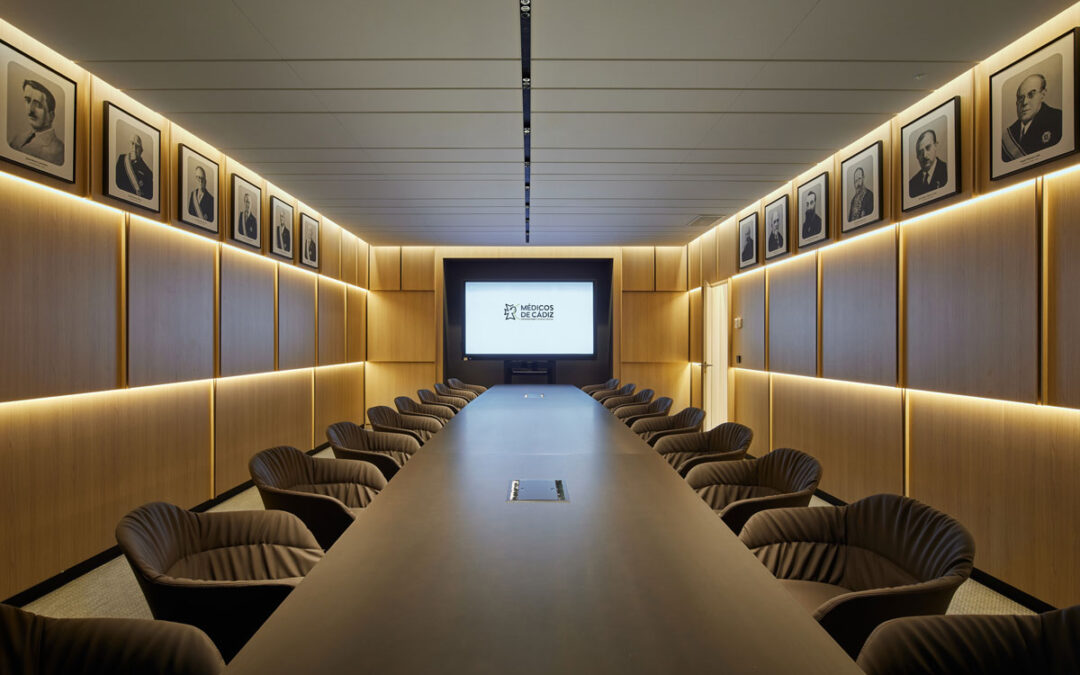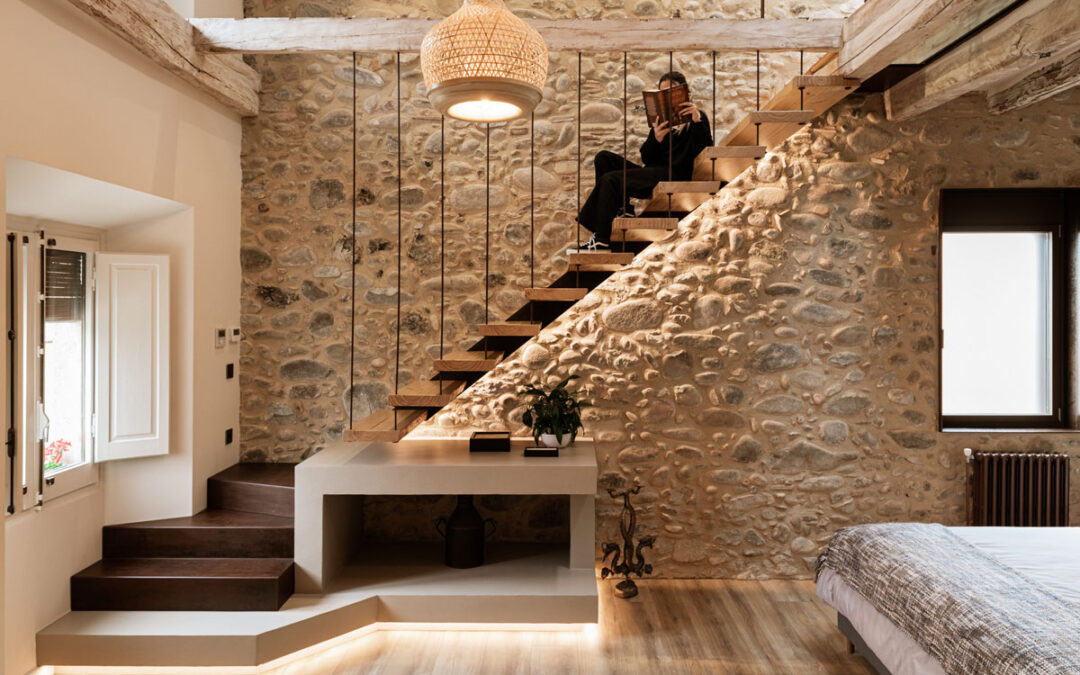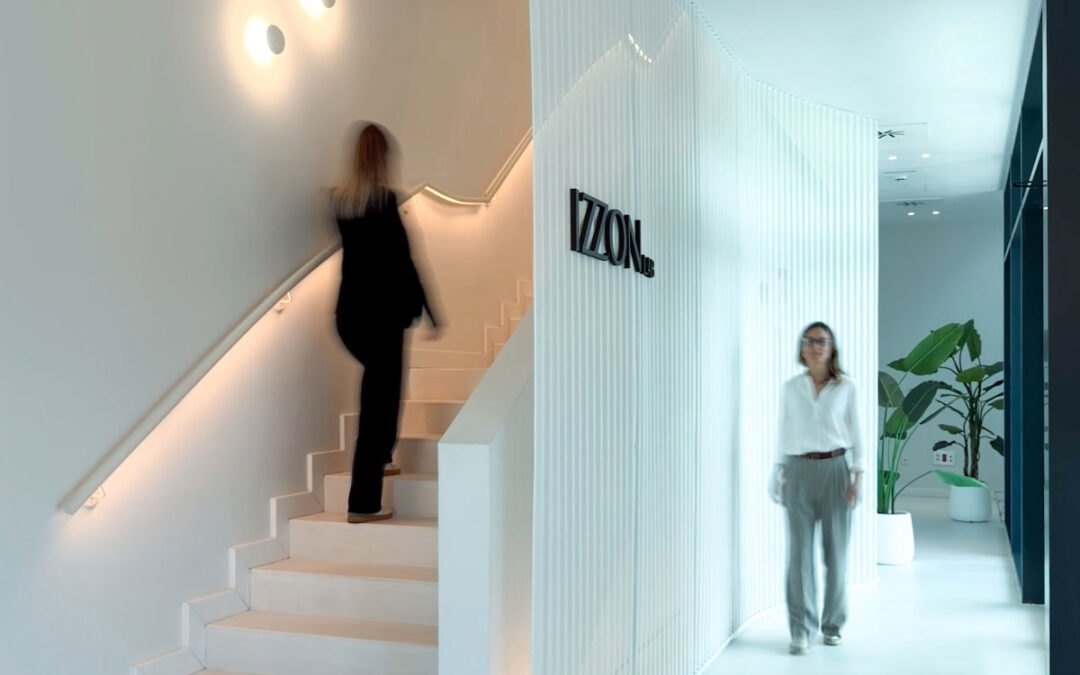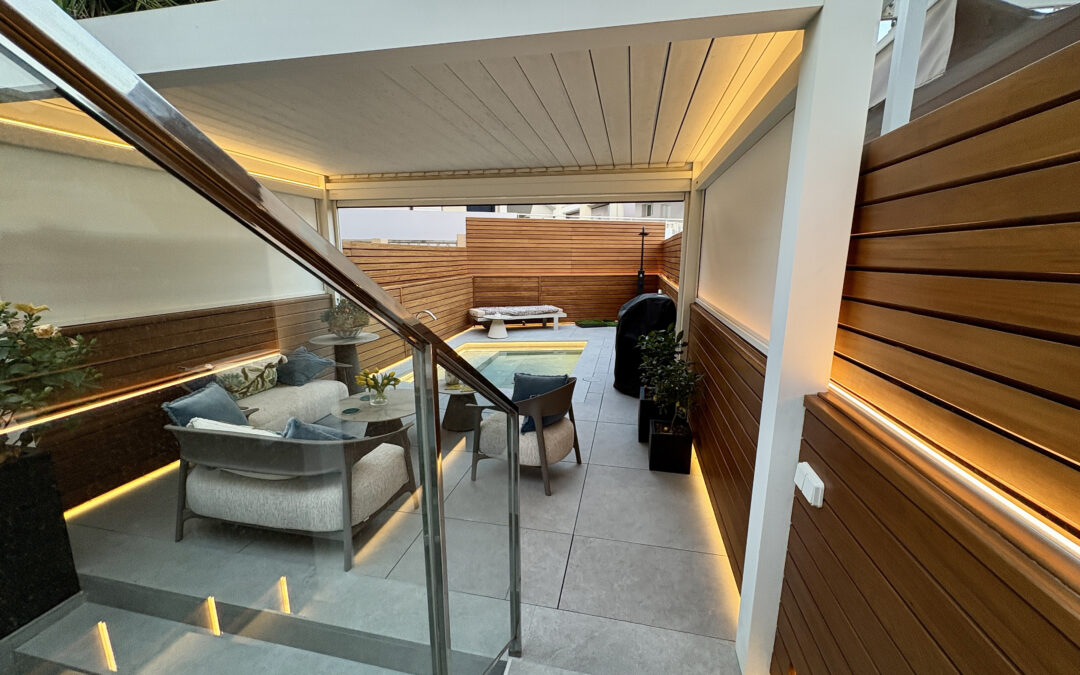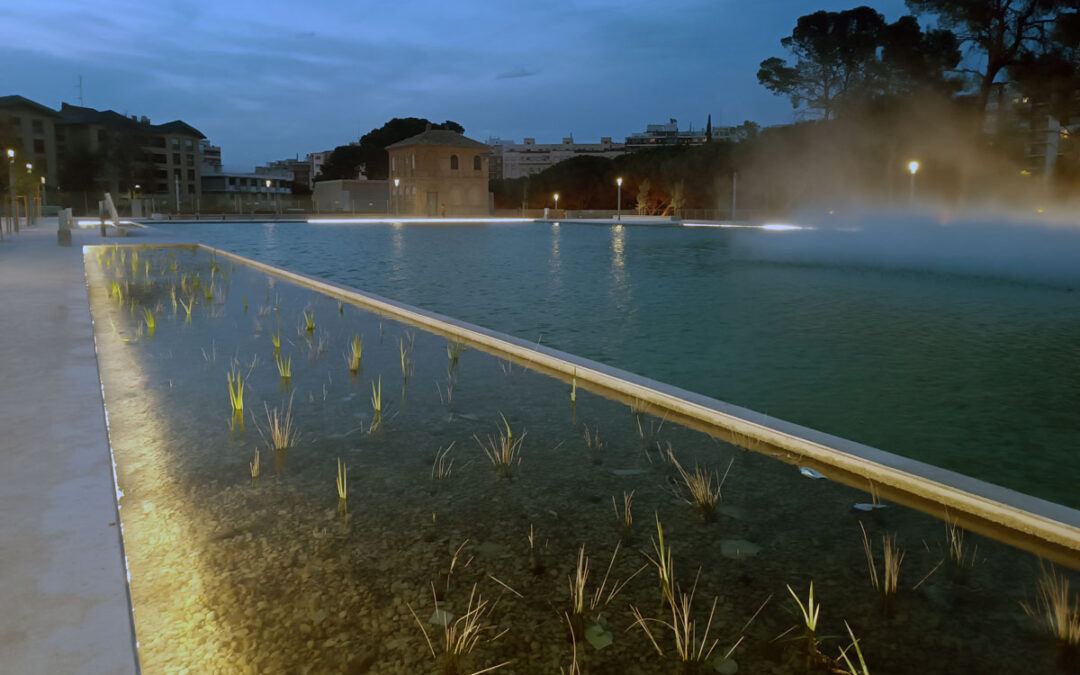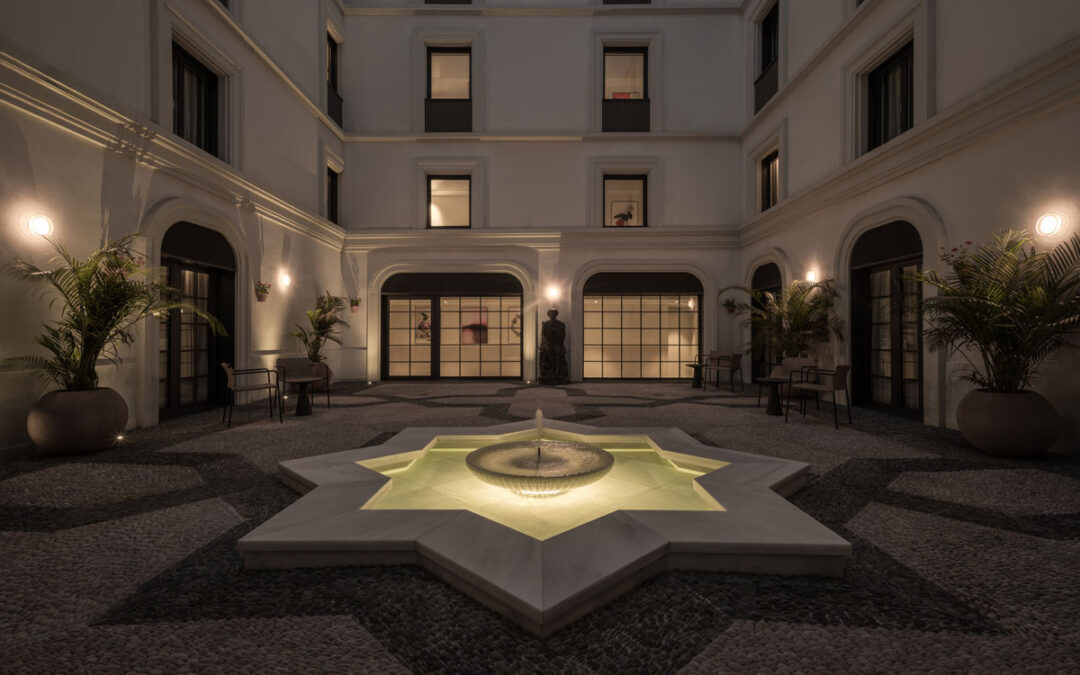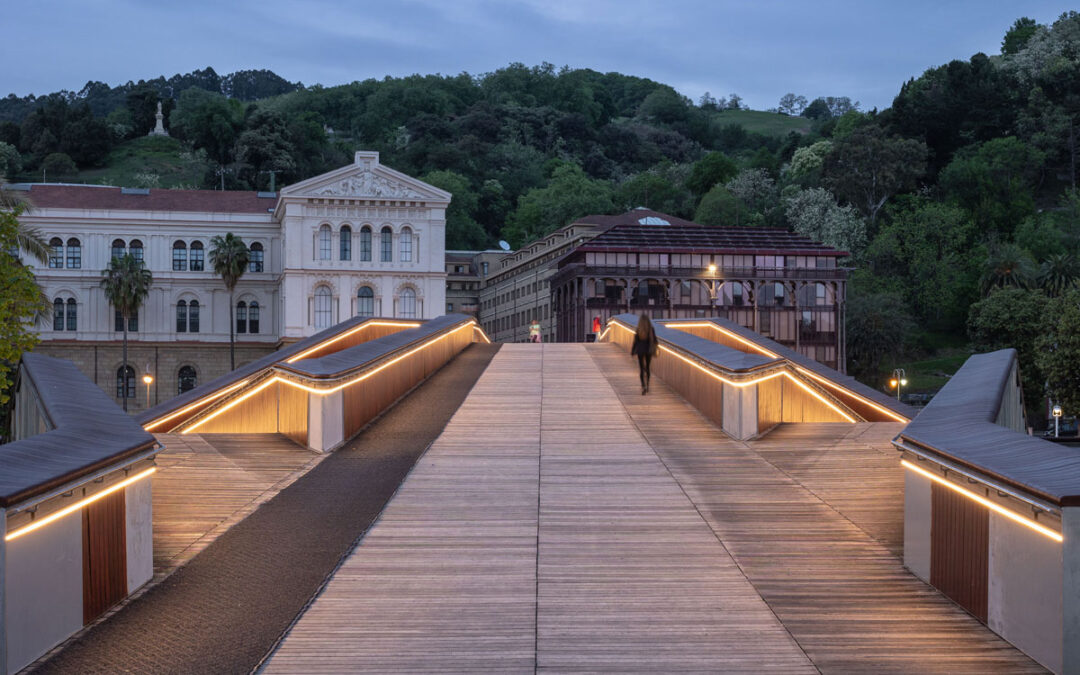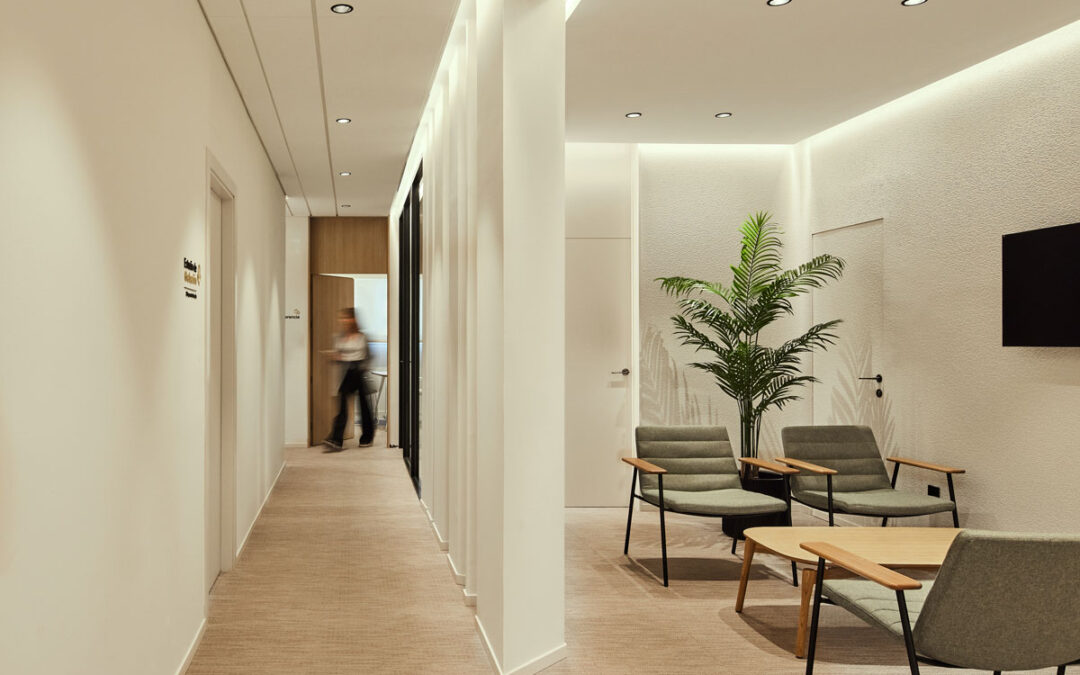



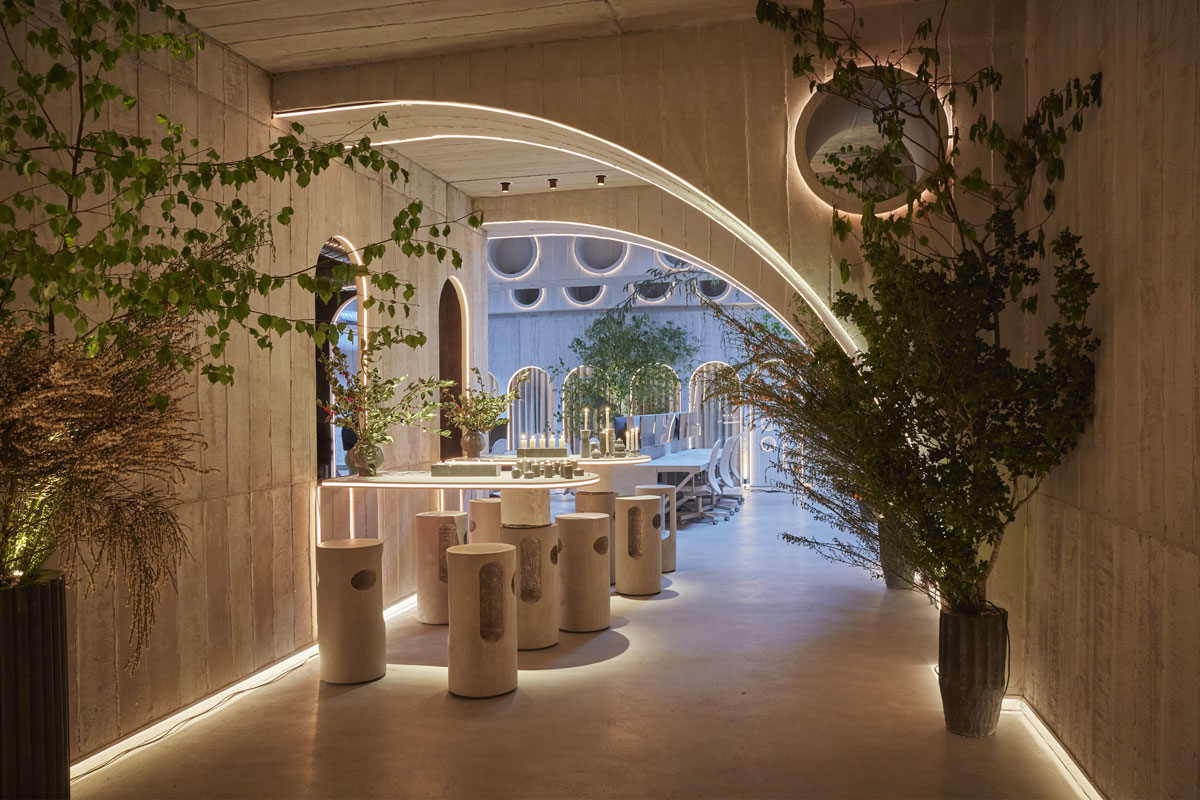
Grazing illumination is one of the most effective strategies for highlighting textures. When light is projected parallel to a surface, small irregularities generate soft shadows that reveal the material’s relief. Integrating LED strips into coves or hidden profiles allows this lighting to be applied with precision, concealing the light source from direct view and maintaining a clean visual reading of the space. In wood, ceramic, stone, or textured mortar cladding, linear lighting helps enhance the material’s richness and accentuate its depth.
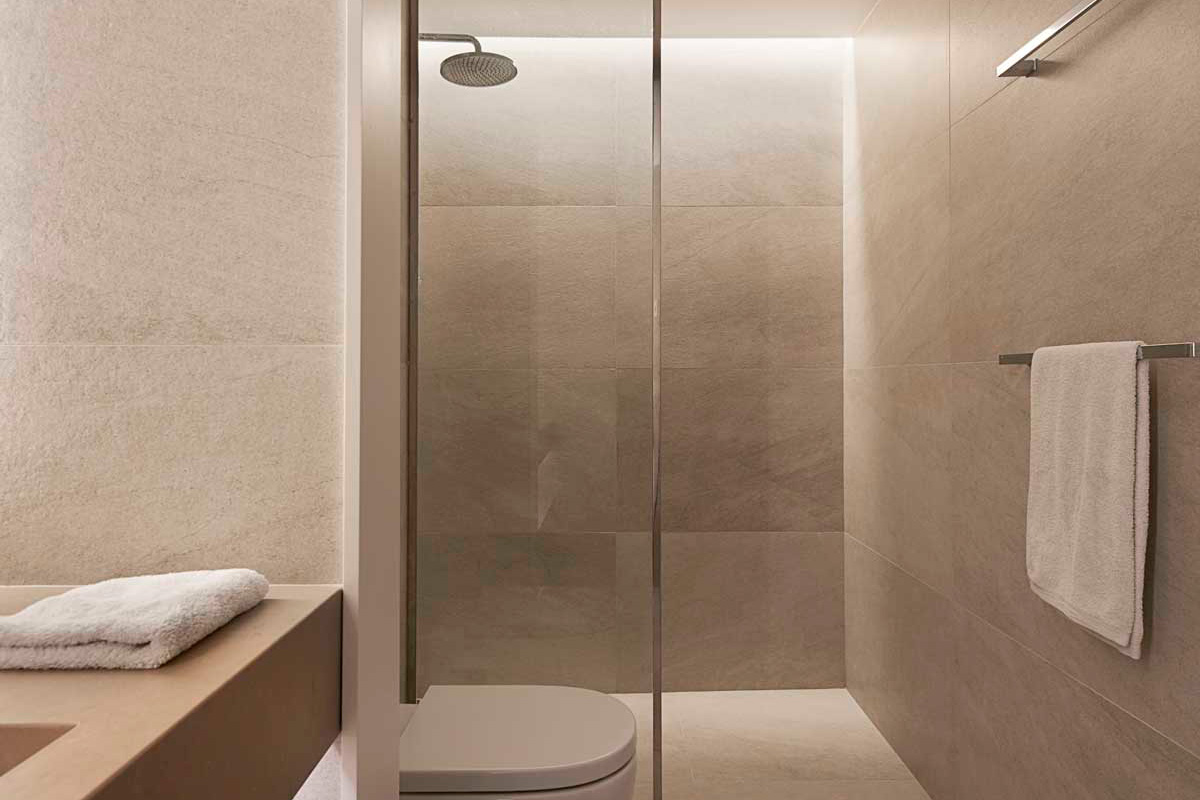
Highlighting Natural Materials
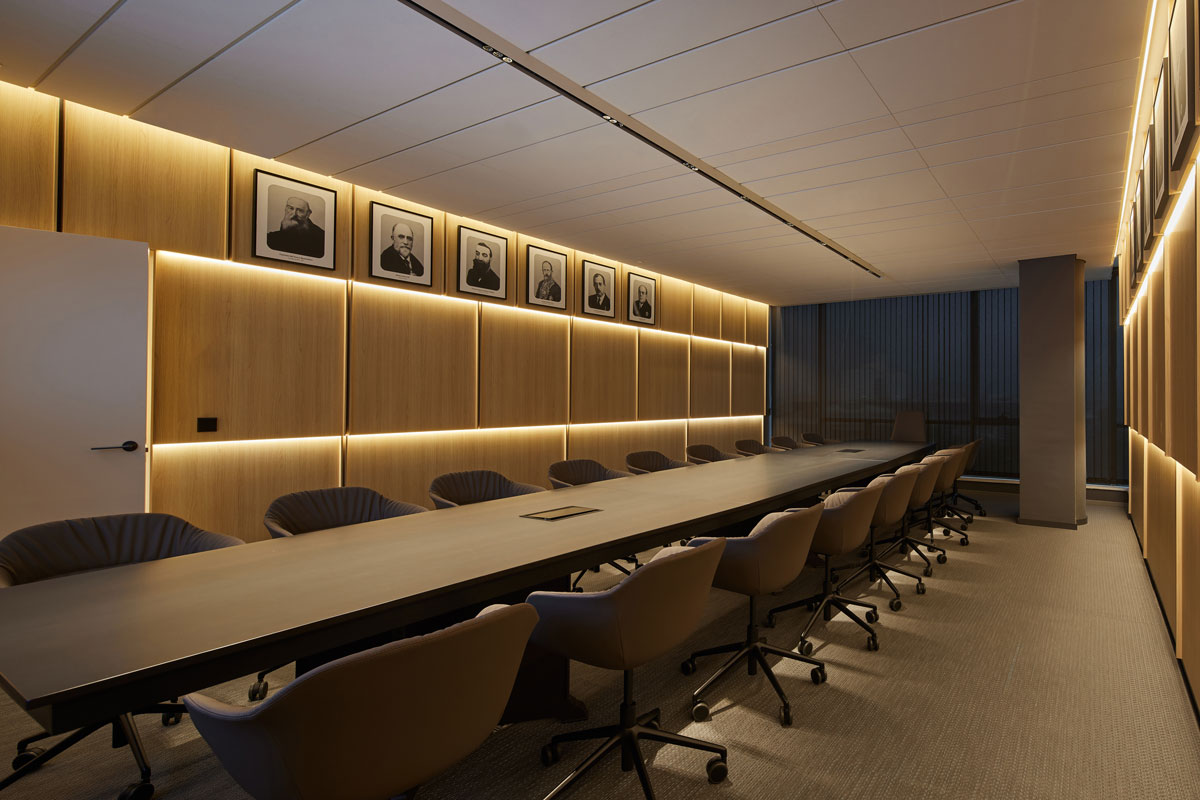
Materials such as wood or stone react particularly well to controlled linear lighting. The direction of the grain, variations in the finish, or surface roughness acquire a new dimension when light is integrated correctly. Utilizing warm color temperatures reinforces a sense of comfort and intimacy, while a high color rendering index guarantees an accurate perception of the material’s tones and nuances. The continuity of the linear emission prevents visual interruptions and contributes to a more uniform reading.
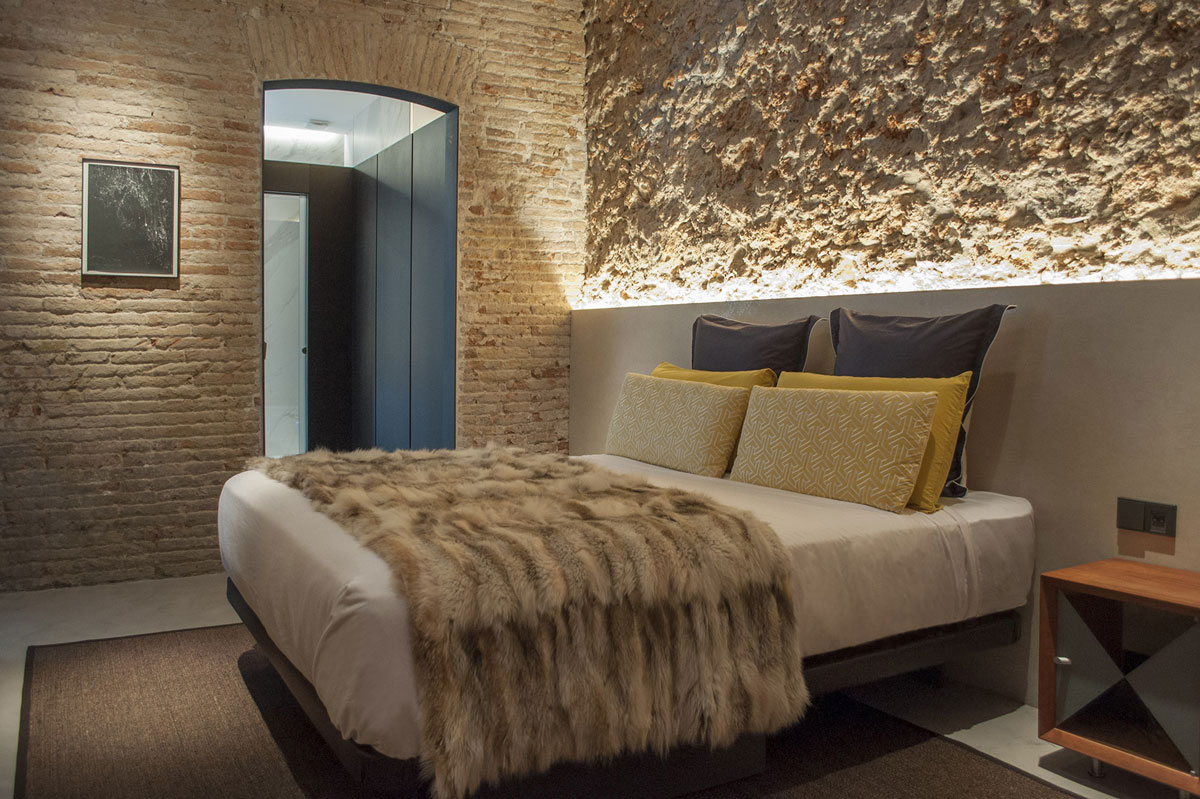
Integration into Walls and Cladding
The incorporation of linear lighting in clad or paneled walls allows for the creation of more dynamic and immersive surfaces. Light is no longer understood merely as a functional element, it becomes an active part of the architectural composition. Integrating profiles into joints, vertical intersections, or structural elements facilitates discreet and continuous illumination.
Contrast and Visual Depth
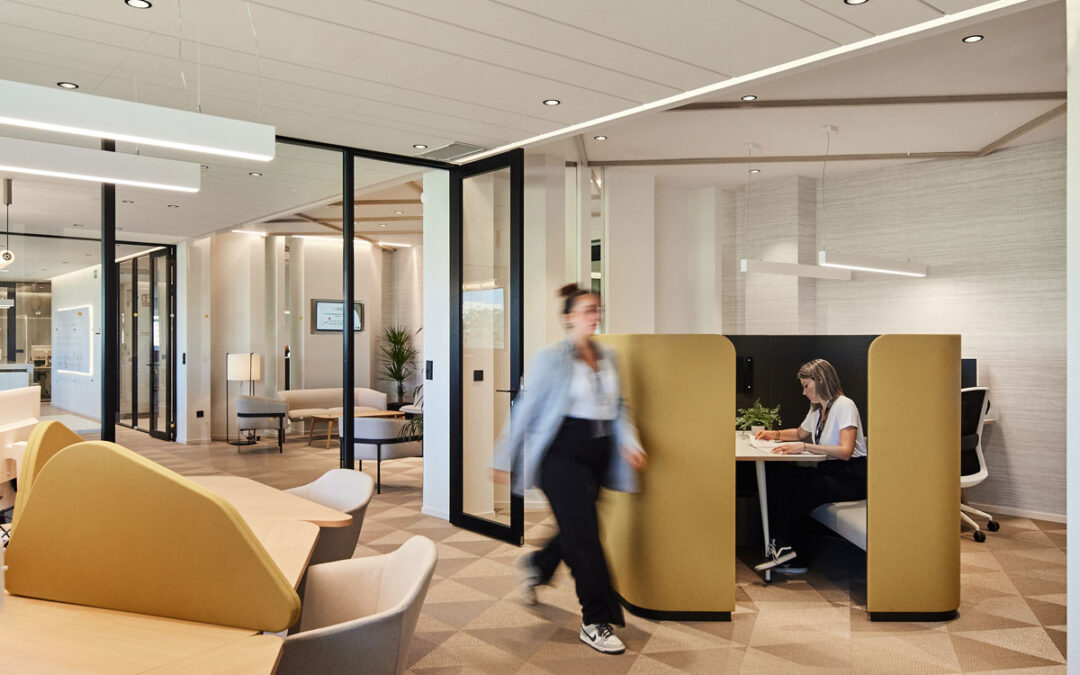
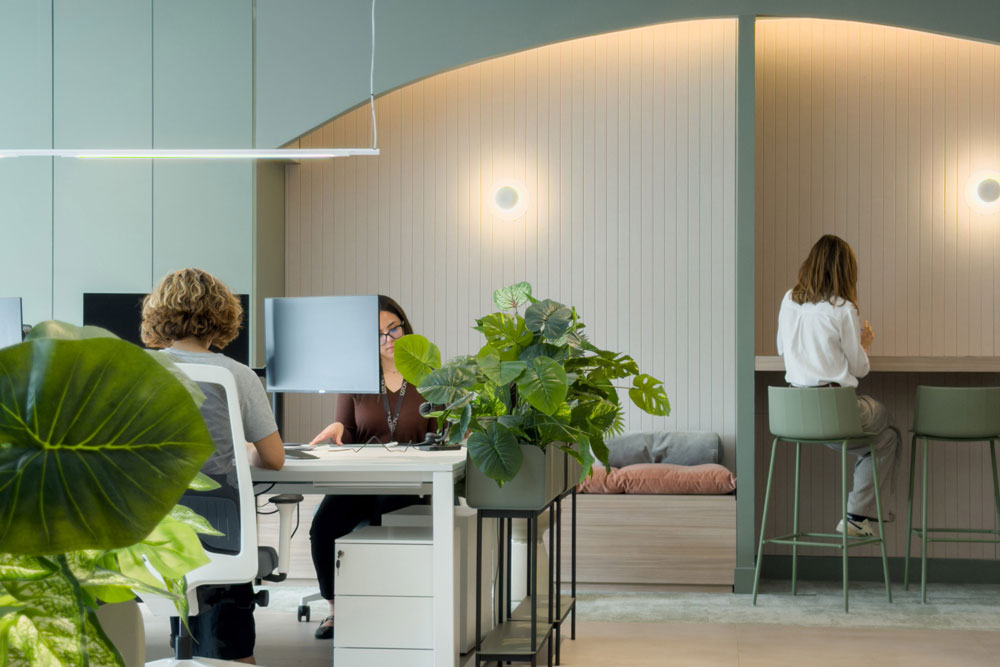
The interplay between light and shadow is fundamental to generating depth. Excessively homogeneous lighting tends to flatten surfaces, whereas controlled light creates soft contrasts that enrich spatial perception. LED strips offer the necessary flexibility to adjust intensity, color temperature, and emission positioning according to the desired effect. This adaptability allows designers to work with everything from subtle accents to highly scenographic lighting, all while maintaining visual comfort and preventing glare.
Light as Part of the Material
In contemporary projects, lighting no longer acts solely upon a space, but also upon the matter within it. The way light strikes a surface dictates how it is perceived, modifies its physical presence, and defines a portion of the overall architectural experience. At Lluria, we develop linear solutions that allow light to be integrated with absolute precision into the architecture, fostering a richer understanding of every material and elevating the sensory value of the space.