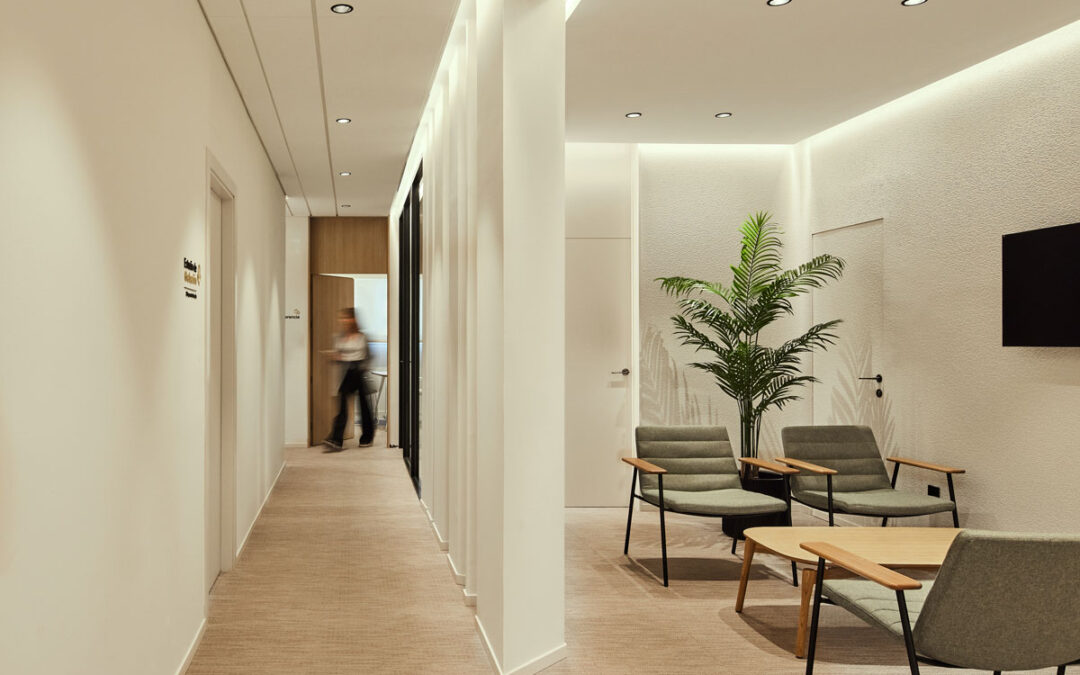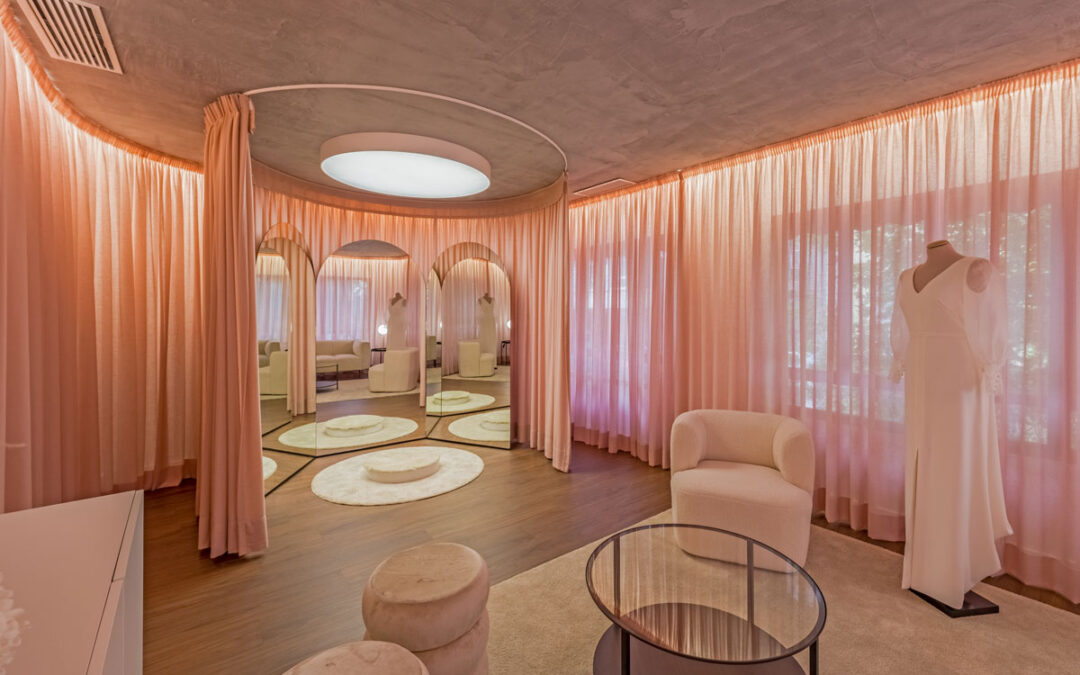



Indirect lighting is one of the most versatile tools in contemporary lighting design. By directing light onto ceilings, walls or other architectural surfaces, these become reflectors that distribute illumination throughout the space. The result depends on both the characteristics of the light source and the geometry, materials and finishes it illuminates. Designing with indirect light involves examining how it interacts with architecture to achieve the desired ambience and lighting conditions.
Architecture as a reflective surface
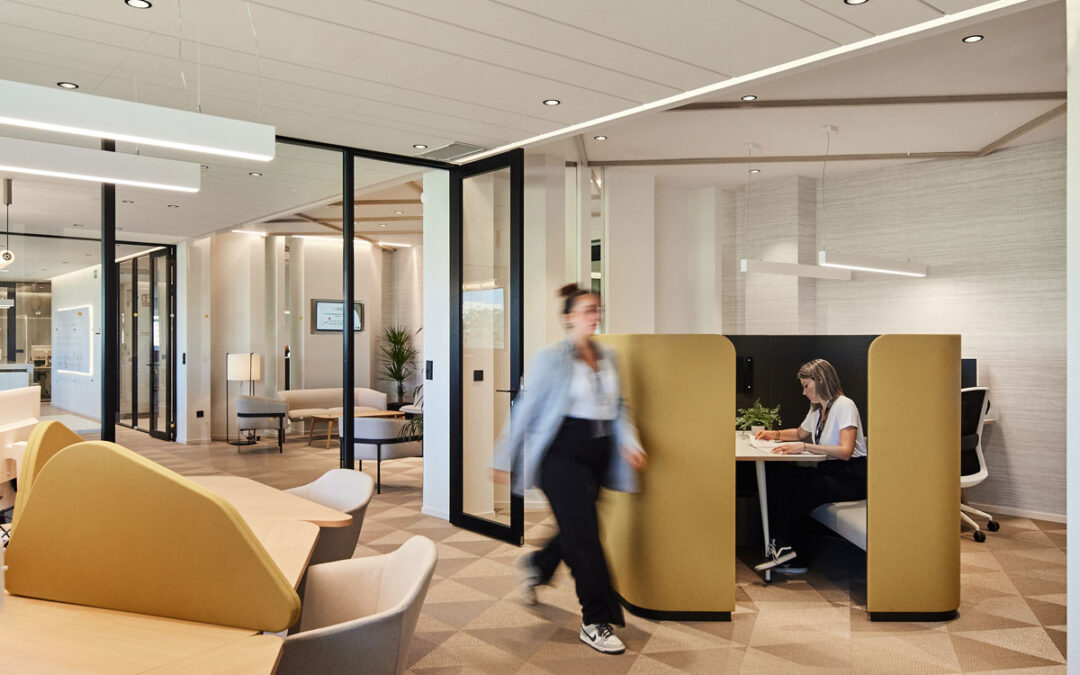
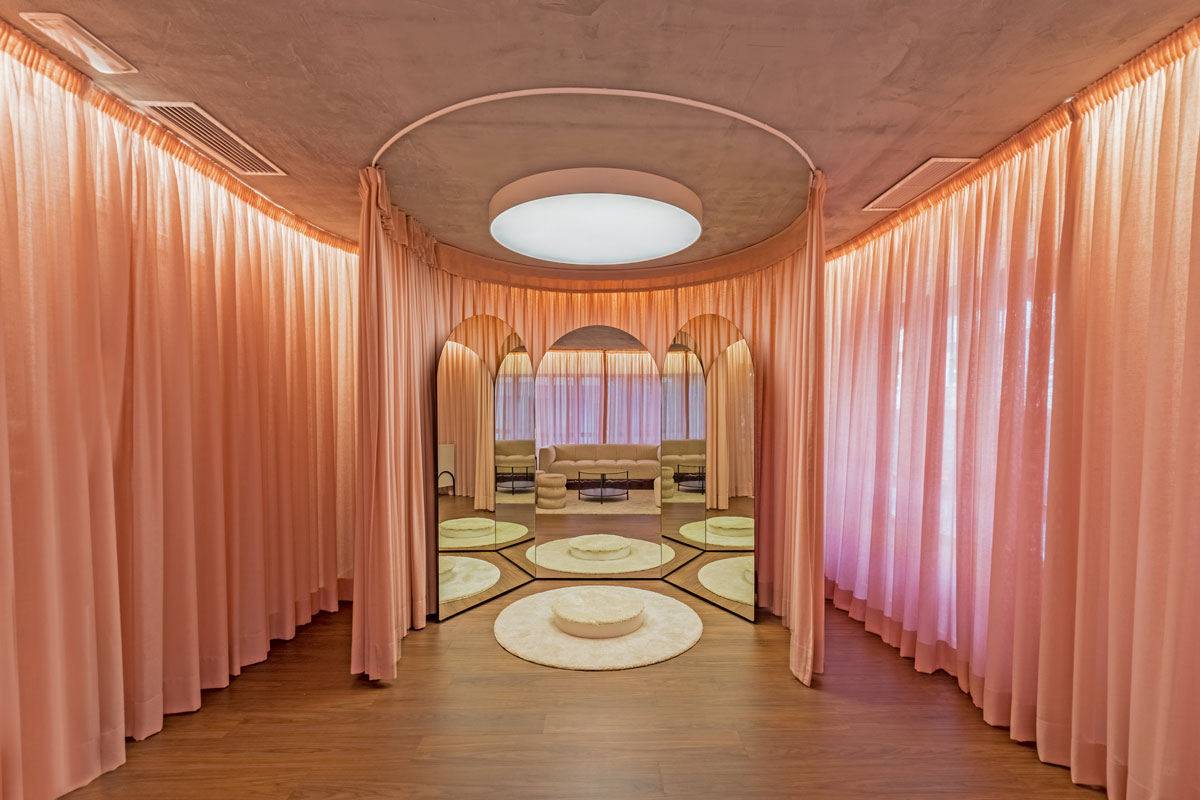
Unlike direct lighting, where luminous flux is directed at a particular area, indirect lighting uses light reflected from surfaces to create a more diffuse, enveloping distribution. Light-coloured ceilings can become large surfaces emitting reflected light, and lighting walls can make spaces appear larger and reveal their depth. The arrangement of the lines of light, their orientation and their distance from surfaces determine the final effect. Indirect lighting should be planned from the earliest stages of a project, coordinating its integration with the architectural elements that will receive and distribute the light.
Lines of light to define volumes and materials
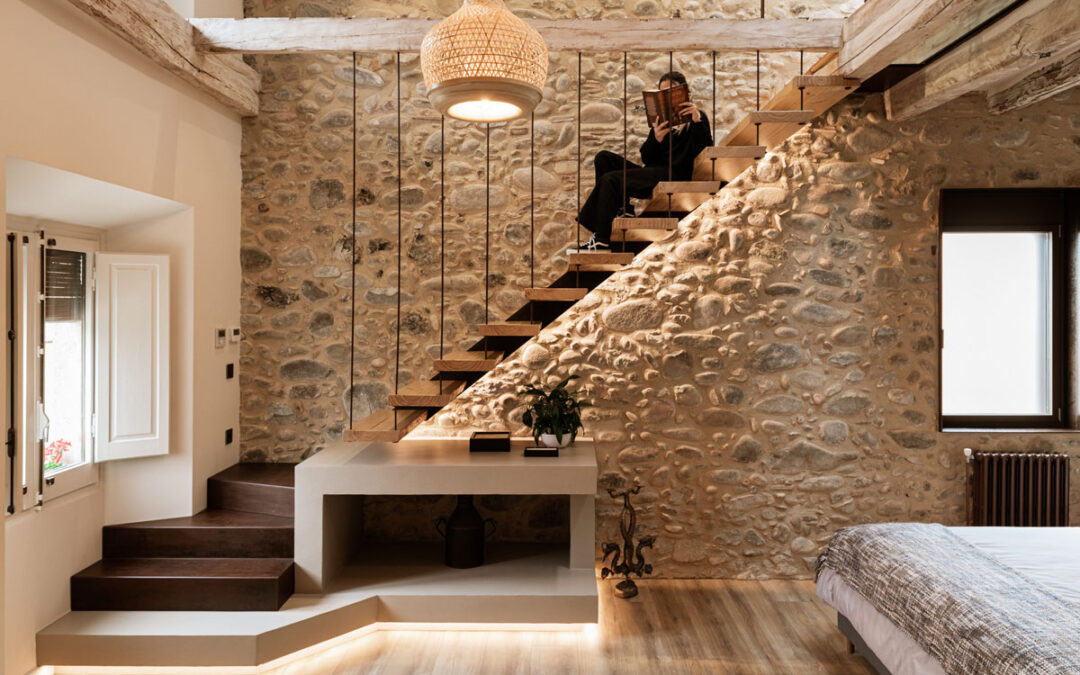
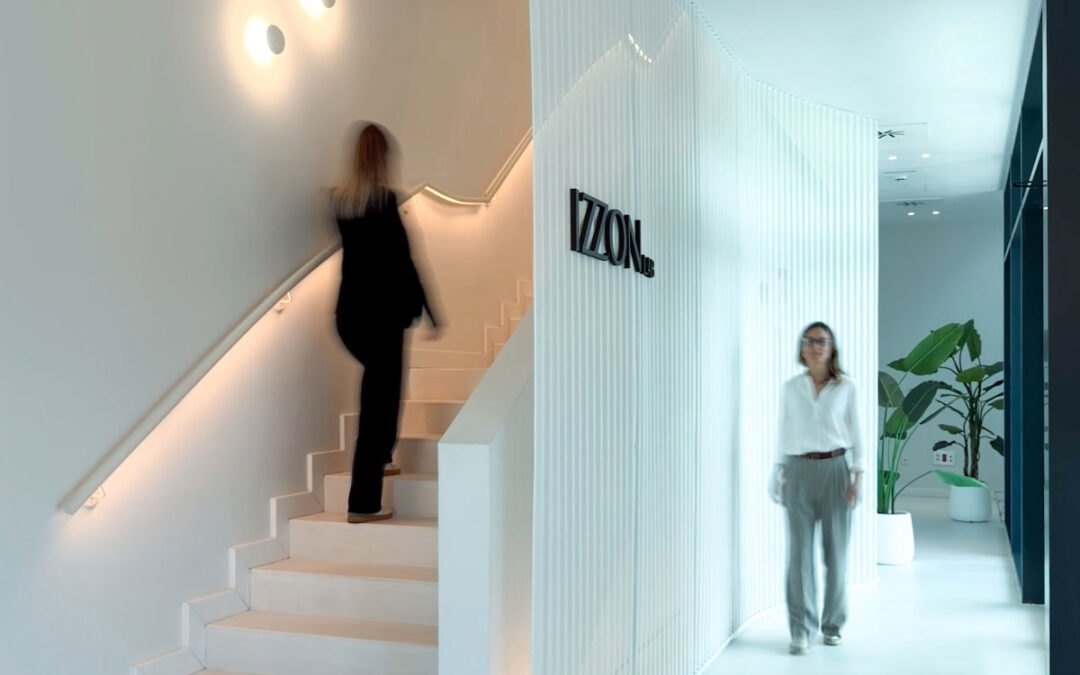
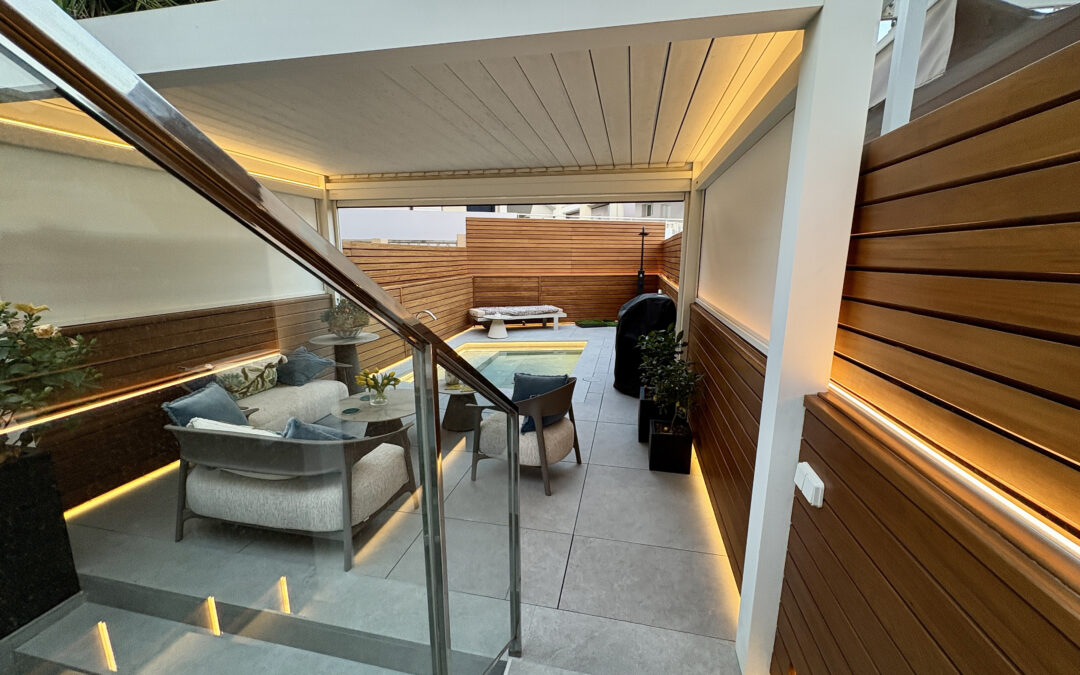
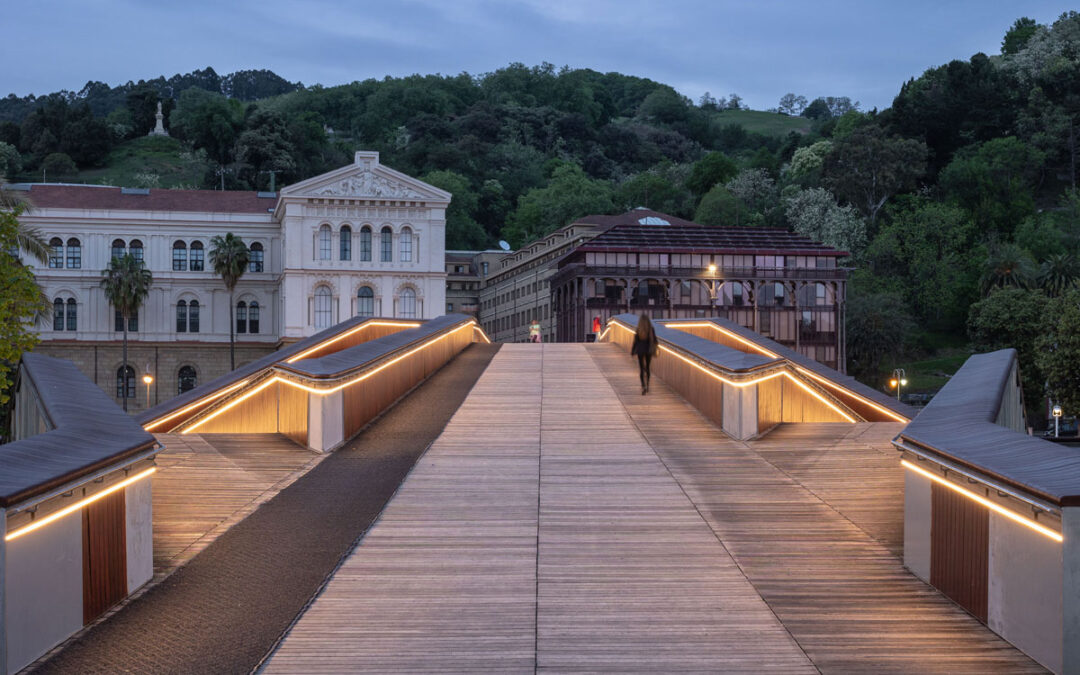
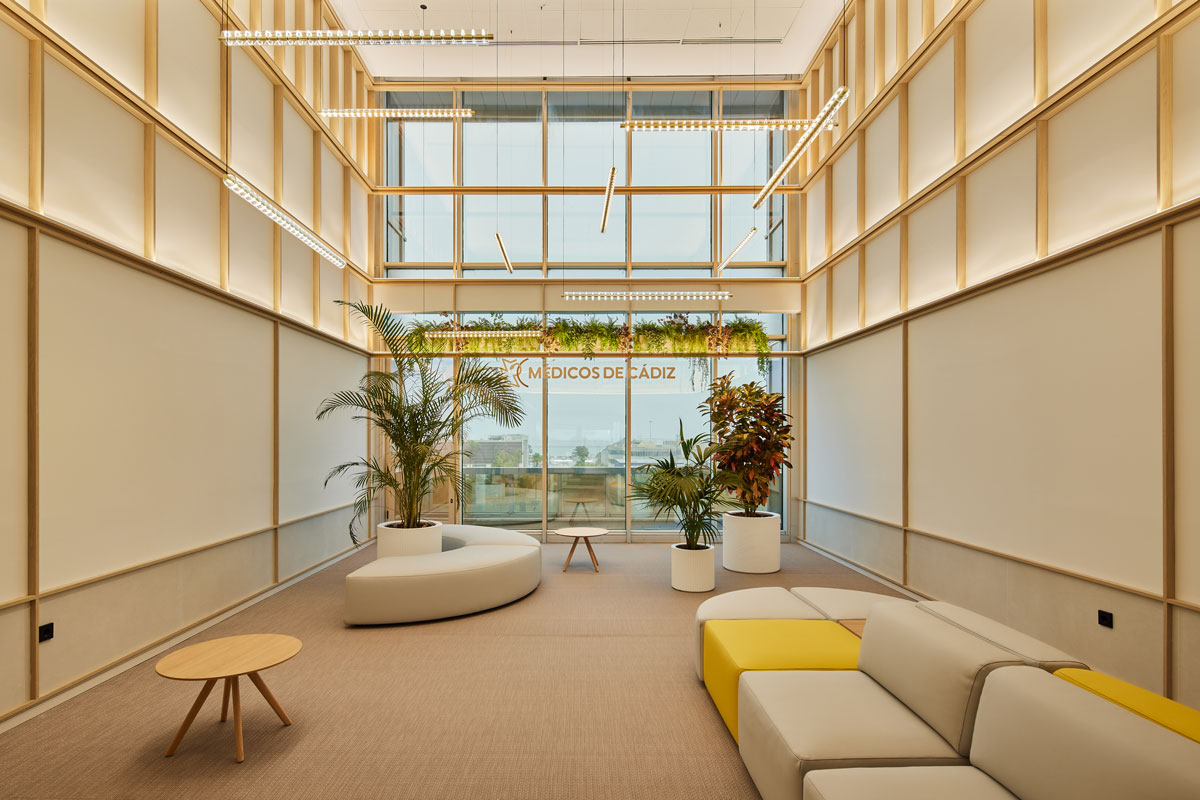
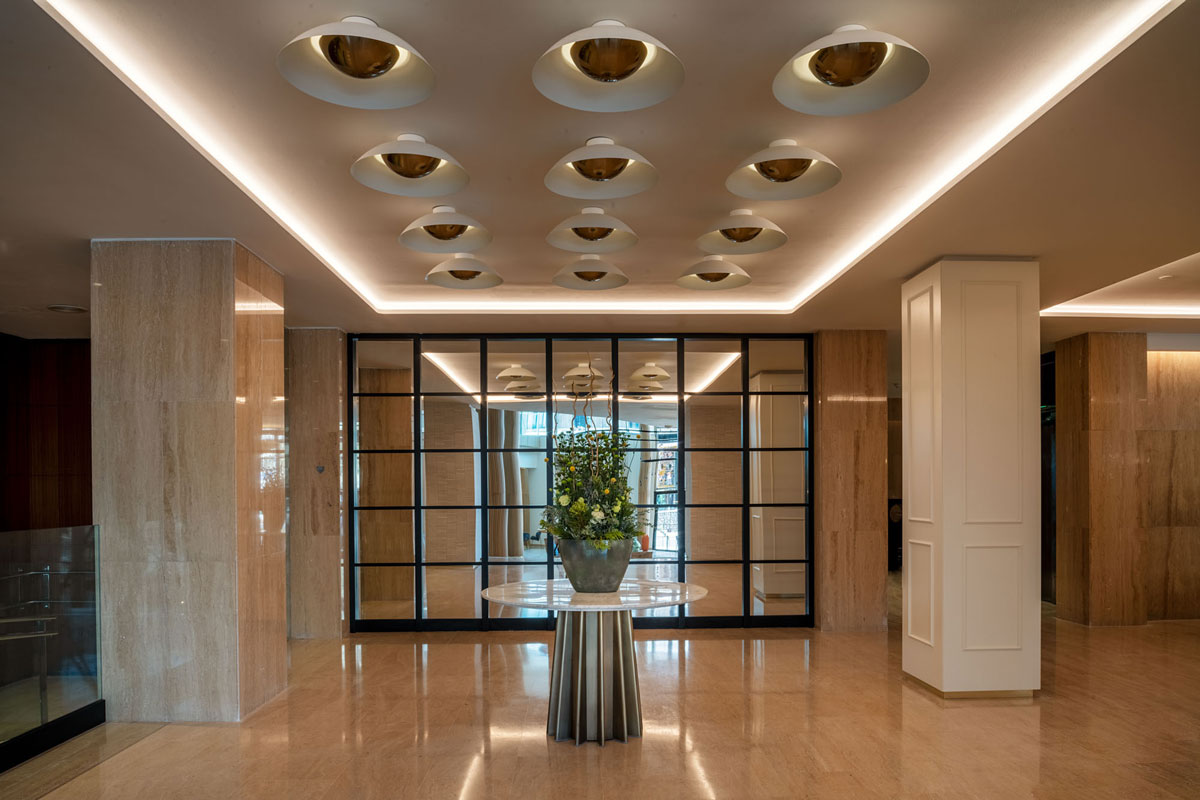
Linear lighting offers numerous ways to work with the geometry of a space. Integrated into ceiling coves, cornices, wall-ceiling junctions or furniture, it creates relationships between planes and highlights particular architectural features. A line of light along the perimeter of a ceiling can accentuate its visual lightness; grazing light on a textured wall reveals the irregularities and depth of the material. On smooth surfaces, a uniform distribution can reinforce the continuity of the plane. Colour temperature plays a part in this relationship. Warm tones favour the perception of materials such as wood or certain natural stones; neutral colour temperatures can suit spaces where a more balanced perception of colours and finishes is sought.
Uniformity and precision in integration
A successful indirect lighting scheme requires particular attention to the position of the light source and the uniformity of the projected light. An insufficient distance between the LED strip and the reflective surface can create bright spots or make individual light points visible, altering the intended effect. The depth of the cove, the orientation of the profile and the characteristics of the diffuser must be examined together. Material reflectance must be taken into account too. A dark surface absorbs a greater proportion of incident light and requires a different approach from a light-coloured surface. Selecting LED strips with different wattages and luminous flux levels makes it easier to adapt the installation to these conditions, avoiding excessive illumination or an insufficient contribution of reflected light.
Efficiency and comfort in indirect lighting
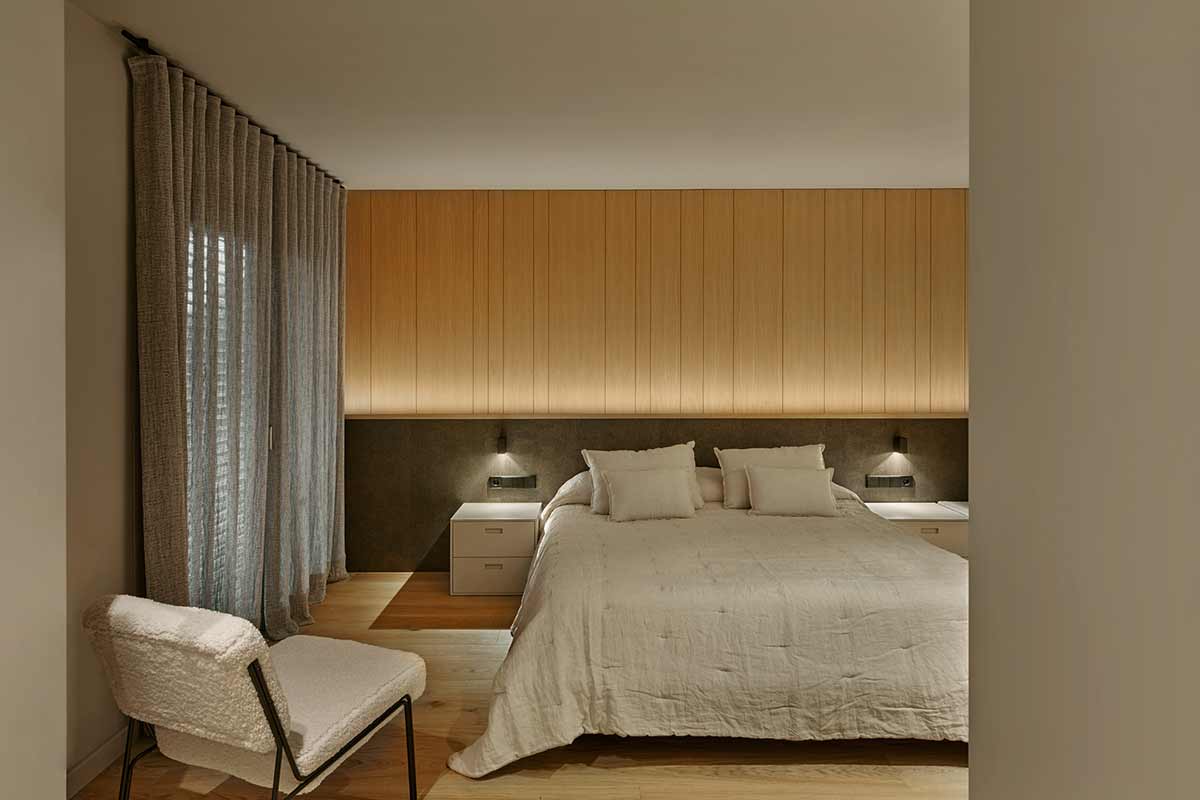
Indirect lighting helps create visually comfortable spaces by reducing direct exposure to high-luminance sources, provided the installation is correctly planned. Part of the luminous flux is lost through absorption as light reflects off surfaces, making the efficiency of the source particularly relevant. In this context, new generations of LED strips deliver improved lighting performance with wattages suited to each application. Selecting the right luminous flux, together with an assessment of the reflective surfaces and dimming options, helps optimise energy consumption without compromising the result.
New design possibilities with the Moon range
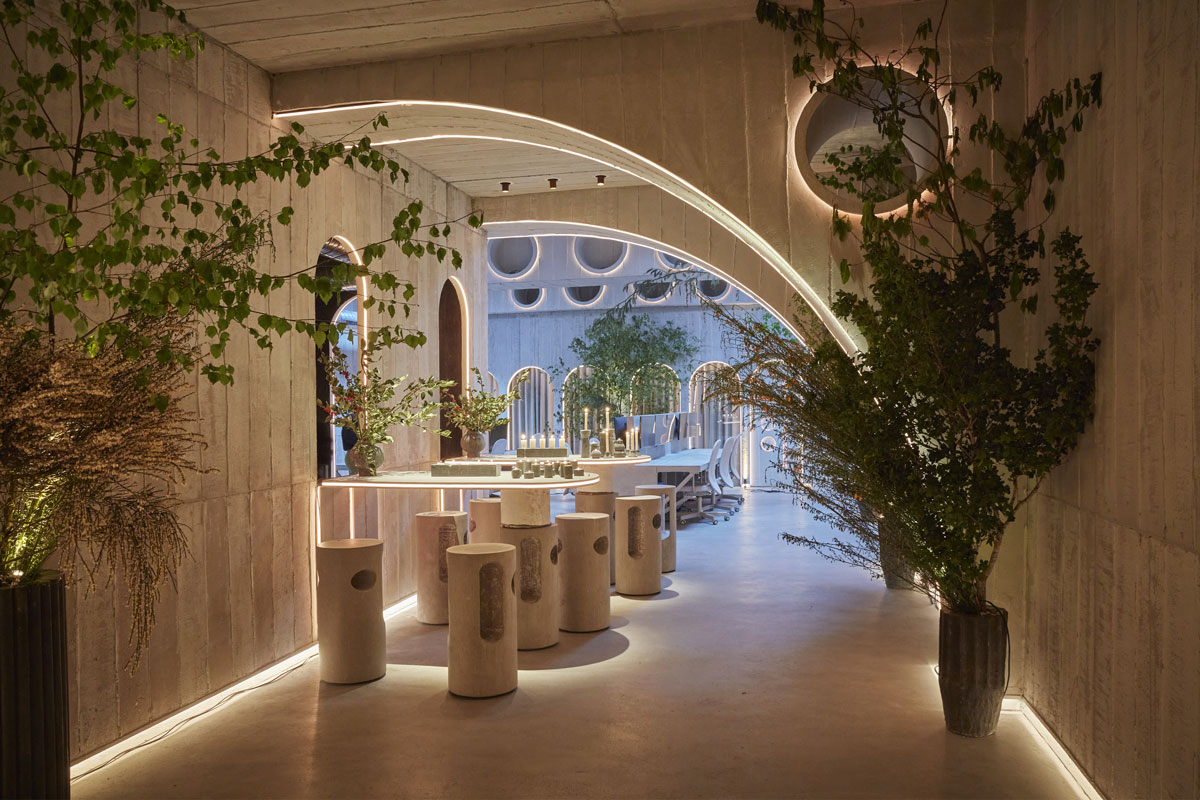
Lluria’s updated Moon IP20 range extends the design possibilities of indirect lighting with a family of LED strips offering different wattages, high luminous efficacy and a colour rendering index (CRI) >90. With 3, 7, 10, 14, 19 and 25 W/m versions, the range allows luminous flux to be selected according to the dimensions of the space, the characteristics of the reflective surfaces and the intended effect. Luminous efficacy of up to 168 lm/W, a variety of colour temperatures and warranties of up to 10 years meet the needs of projects combining lighting quality, efficiency and durability.
At Lluria, indirect lighting is seen as an opportunity to incorporate light into the architectural concept itself. The versatility of Moon enables solutions adapted to each space, from low-wattage lines of ambient light to installations with greater lighting requirements, making use of the expressive possibilities of linear lighting.