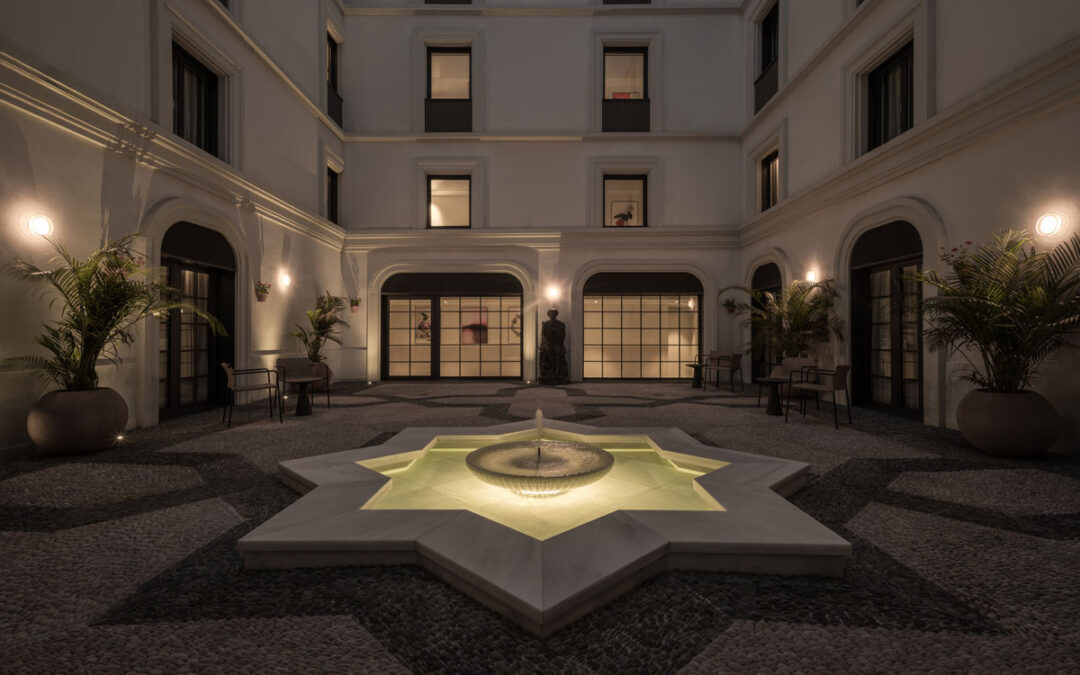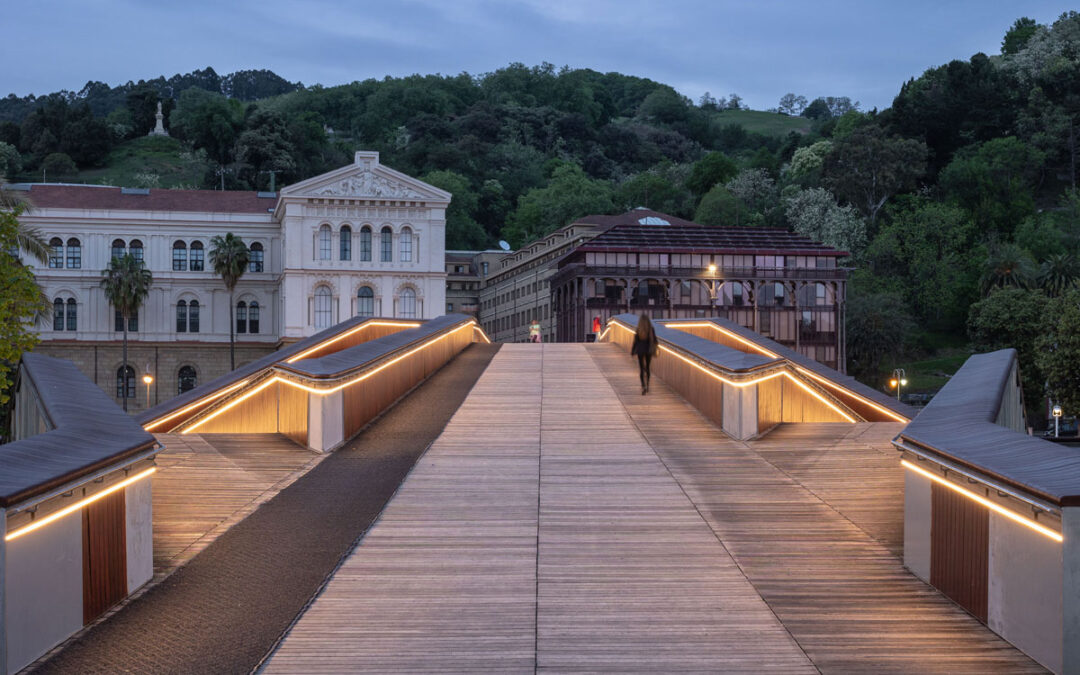



Can the same space feel energising during the day and intimate after dark? Changing the intensity of the lighting is one part of the answer. The colour composition of light shapes how we perceive materials, volumes and atmospheres. Dynamic white made it possible to adjust the colour temperature. Adding amber and red channels gives architectural lighting a wider range of expressive possibilities. Independent control of these channels makes it possible to explore new hues, create more nuanced atmospheres and design scenes for different times of day.
From Dynamic white to a broader lighting palette
Dynamic white systems, known as Tunable White, adjust the colour temperature by combining white light sources of different hues. Some projects call for greater freedom to create particular atmospheres. Adding amber and red channels broadens the palette and allows for very warm blends, sometimes close to the glow of a dimmed incandescent lamp or a candle. Independent control lets designers adjust each channel’s contribution to create individual scenes. This flexibility calls for attention to how each blend affects the resulting spectrum, colour rendering and available light output.
Amber and red light offer new ways to shape a space
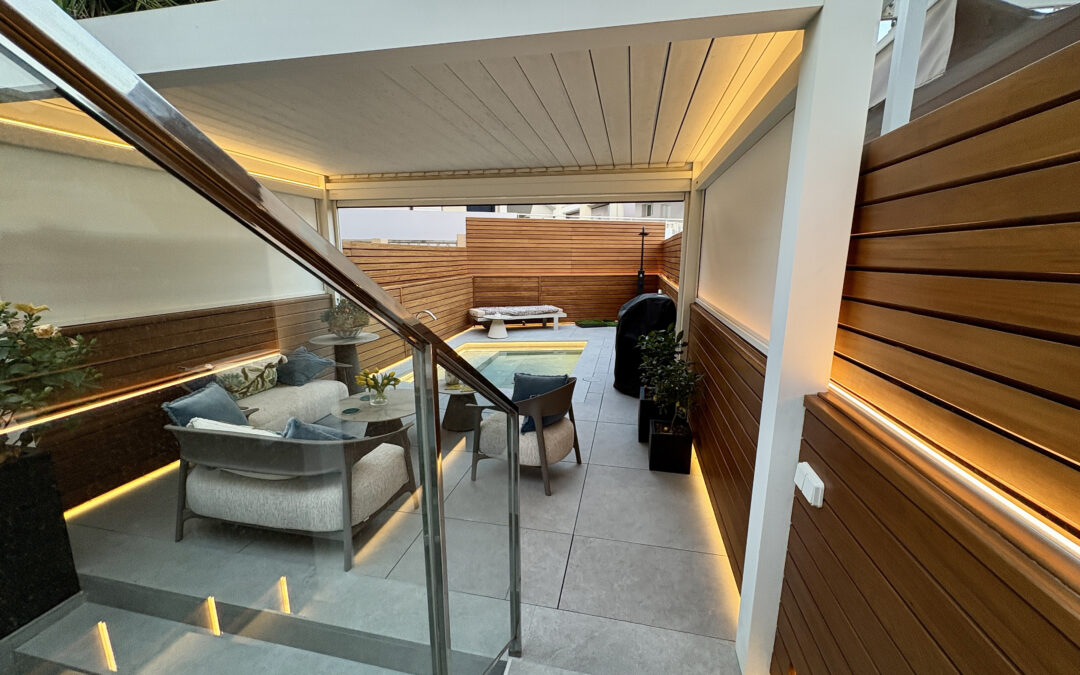
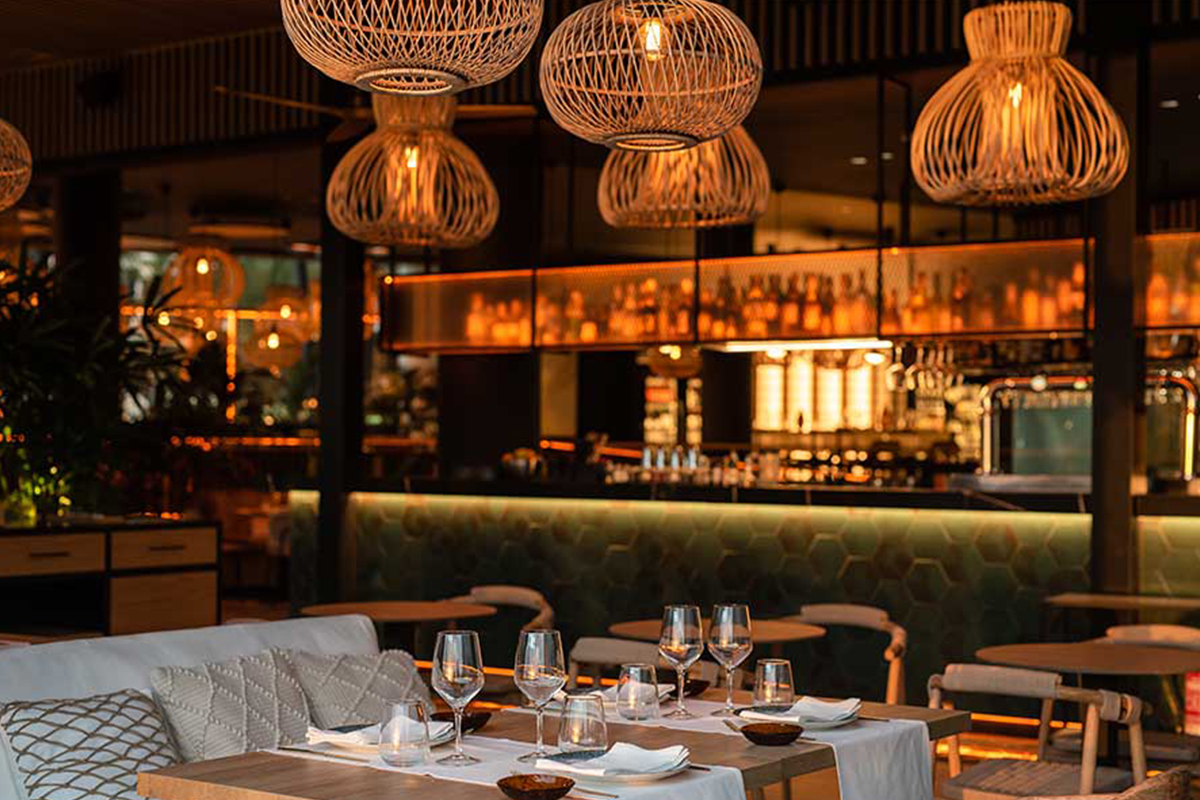
Amber light is particularly suited to creating warm, intimate atmospheres. Its hue lends warmth and can bring out the character of certain materials and finishes. Red light, used sparingly, can introduce colour accents, highlight architectural features or add a theatrical touch. Colour can play a role even when it is barely perceptible. Subtle blends can be especially effective, whether they create a shift to warmer hues at dusk, change the character of the ambient lighting or draw attention to an architectural detail. The aim is to balance expression and visual quality so that excessive colour saturation does not distort the appearance of materials, food or skin tones.
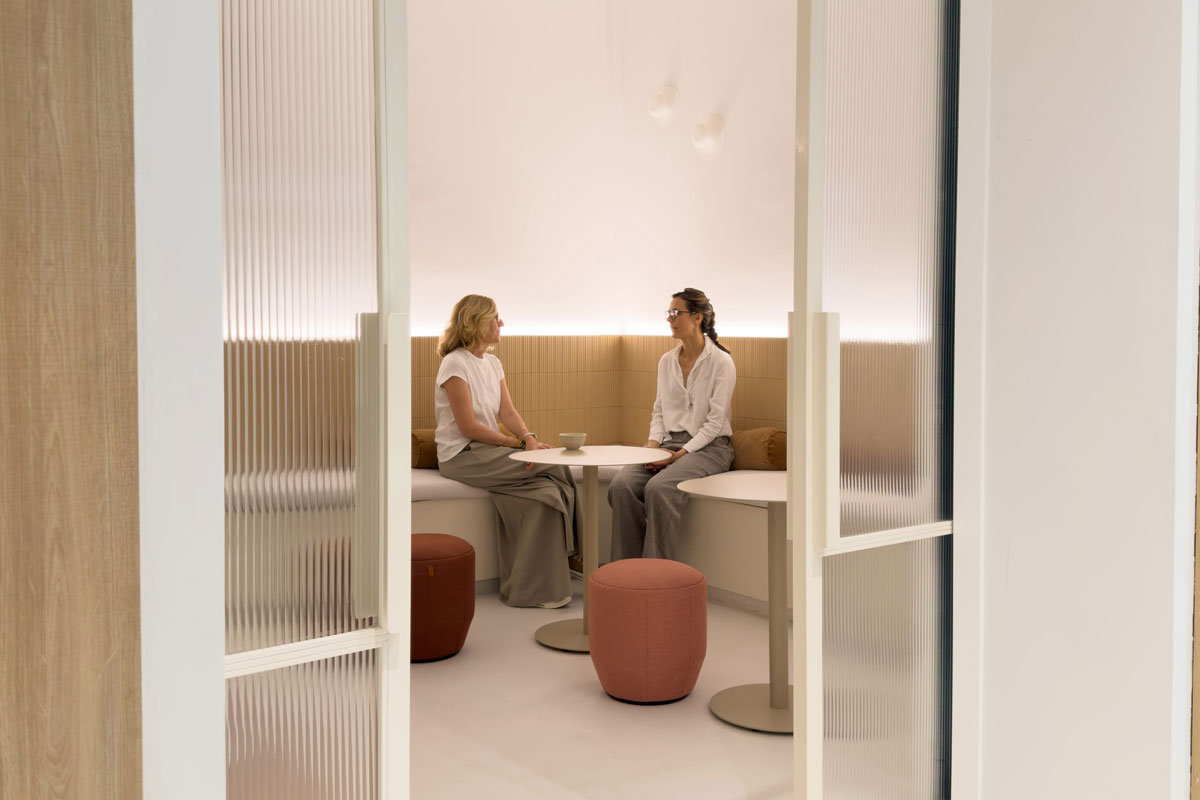
Lighting scenes for different times of day
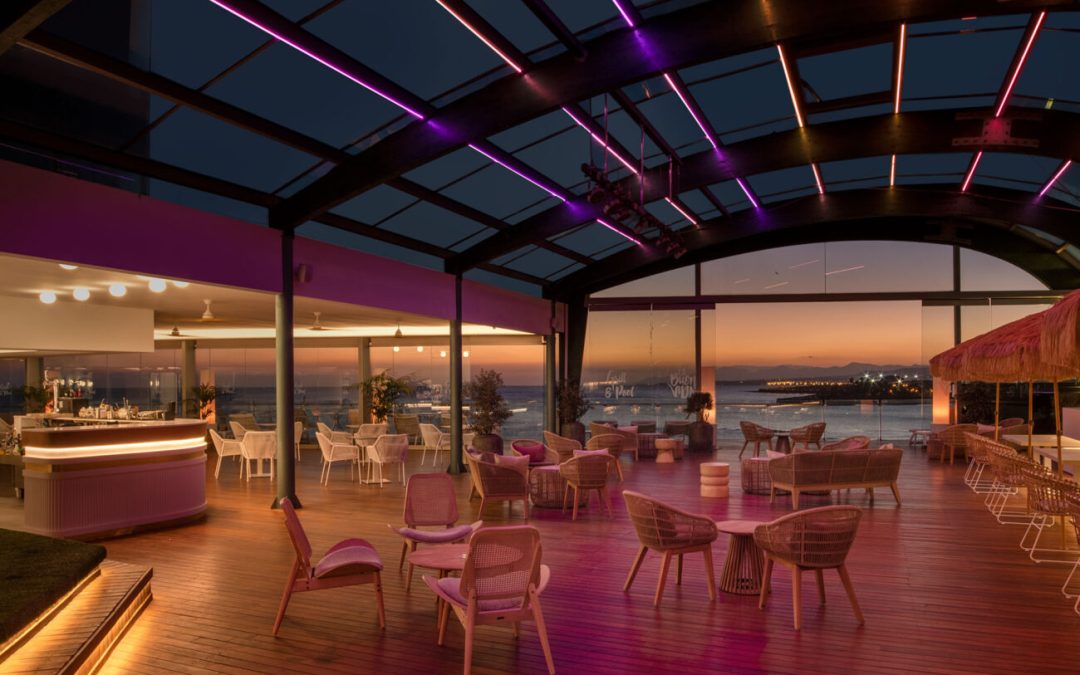
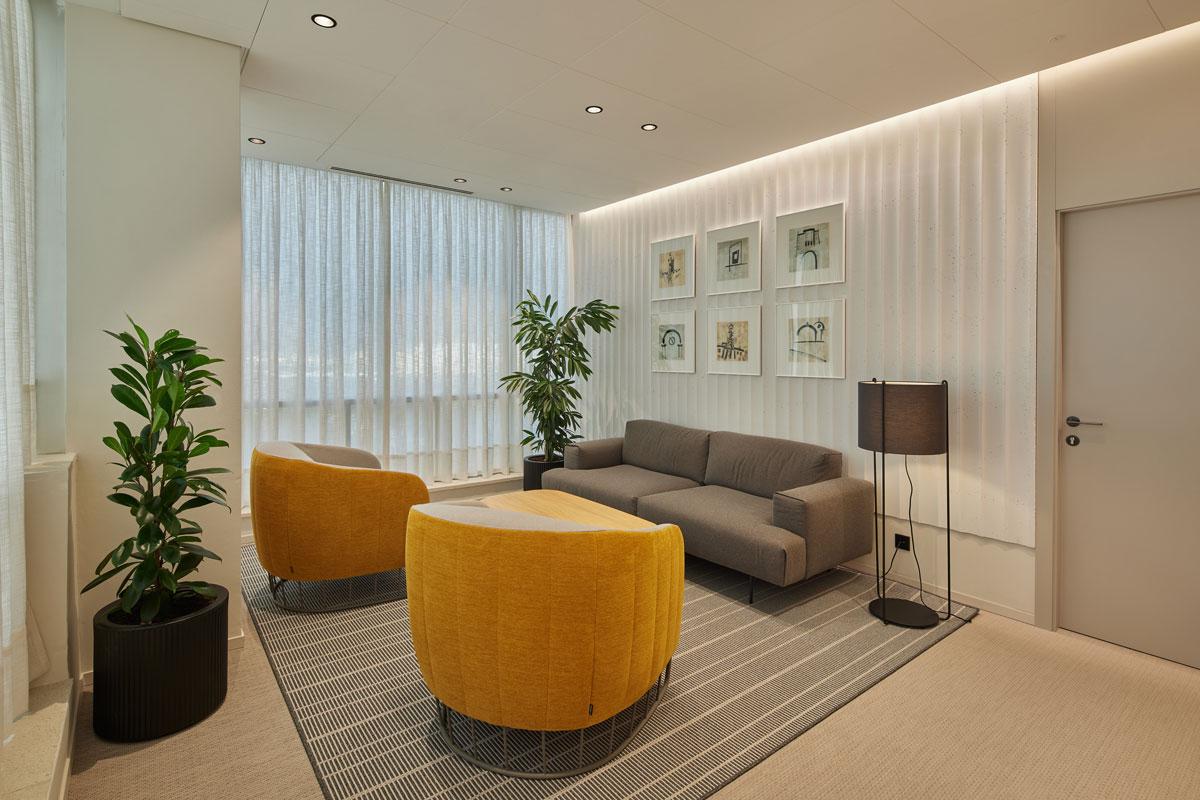
Spaces change character throughout the day, with the same architecture as a backdrop. A living room can serve as a place to work, share a meal or rest. A hotel lounge can likewise go from a lively meeting place to a more intimate setting after dark. Multichannel lighting can support these changes through scenes that combine different intensities and hues. White light sources can provide good visibility during active hours, with warmer blends introduced later in the day. These options are particularly suited to hotels, spas, homes and relaxation areas. Programming makes gradual transitions possible, and intuitive control systems let users adjust the lighting to their preferences.

The role of the spectrum in visual comfort and well-being
Interest in adaptable lighting has brought the spectral composition of light into discussions about well-being. Amber and red channels can create warm scenes with a smaller proportion of short wavelengths, to which the circadian system is particularly sensitive. Reducing their contribution to lighting at night and keeping light levels moderate may help respect the body’s natural rhythms and support conditions conducive to rest. Taking this biological dimension into account broadens the concept of comfort in lighting design. It brings the interaction between light and the human body into the design process alongside how we see and perceive a space. Spectral composition, light intensity, timing and duration of exposure are key parameters when designing environments that support people’s well-being.
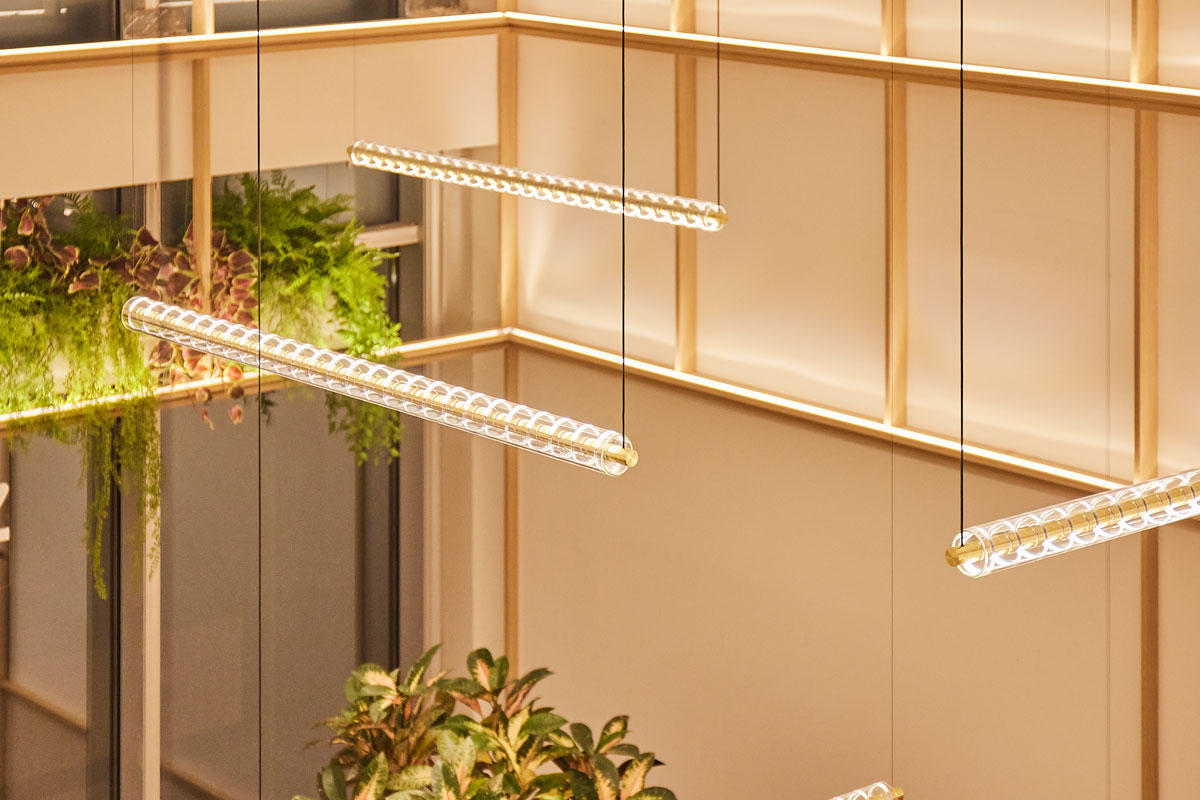
Titan Perfect White offers precise colour control
Lluria’s Titan Perfect White puts multichannel lighting into practice. The LED strip combines four colour components: 2700 K warm white, 5500 K cool white, amber and red. This configuration extends the possibilities of conventional Dynamic white. Independent control of each channel allows designers to develop colour blends and programme scenes to suit the project. Rated at 19.2 W/m, Titan Perfect White has a supply voltage of 24 V and an IP20 protection rating. It is intended for indoor applications. Fitting the strip into suitable profiles brings linear lighting into coves, furniture and other architectural details.
Together, these four channels give architects, interior designers and lighting designers a way to explore new relationships between light and space. The potential of dynamic lighting lies in how designers use the available colours to create atmospheres that suit the architecture and the people who use it. Alarz Restaurant. Lighting Design: Maraba Studio. Photography: Bruto Studio