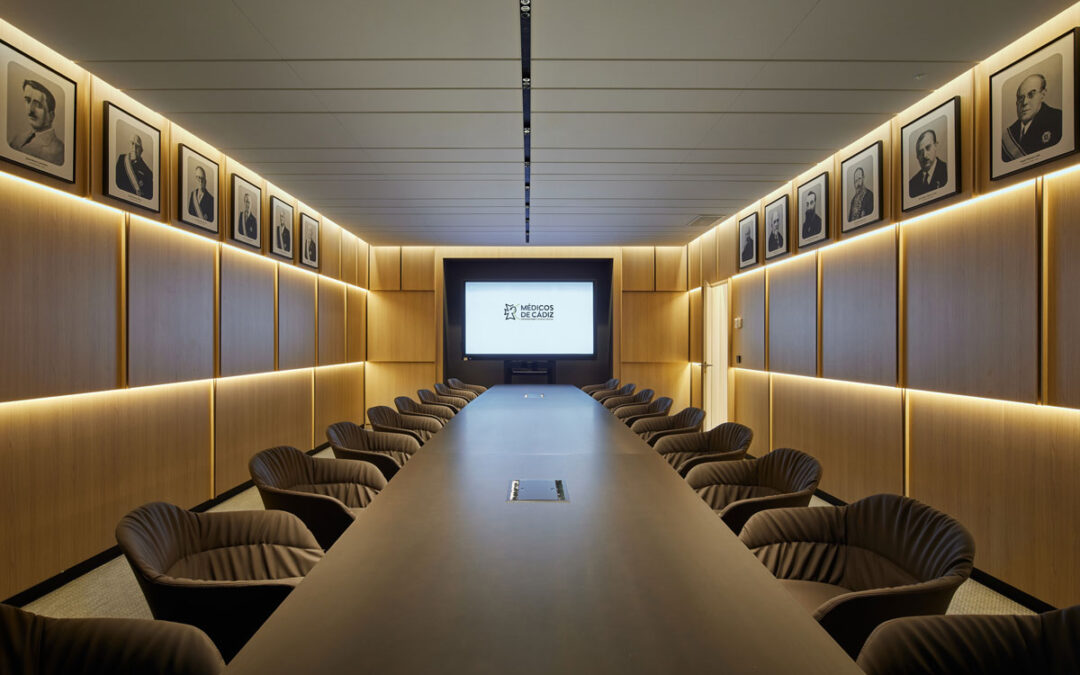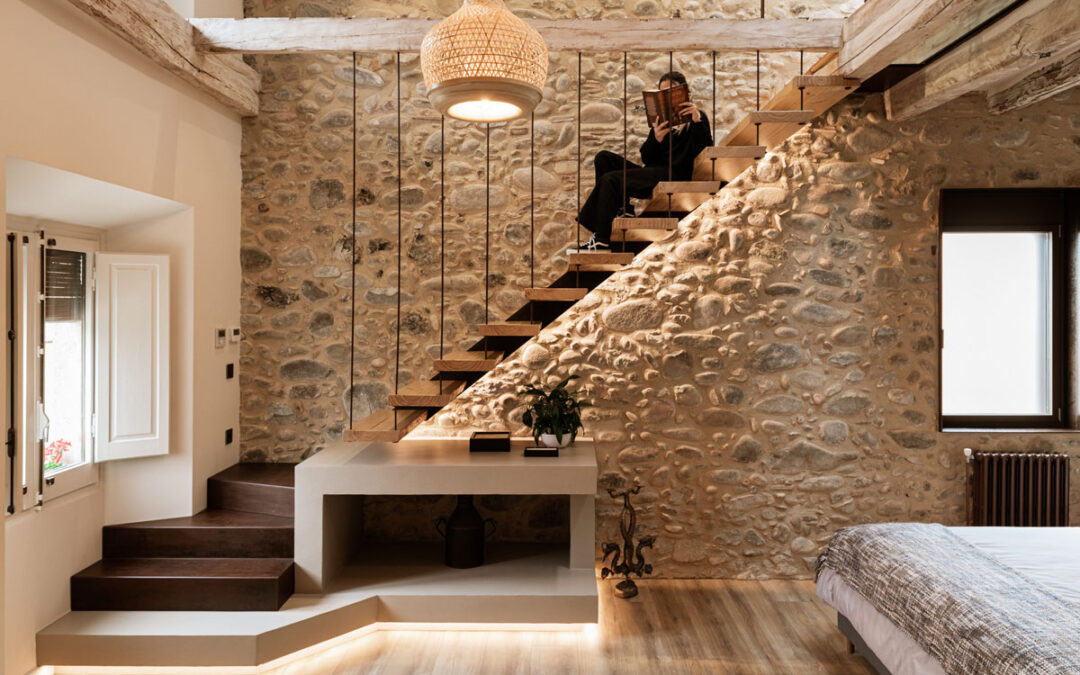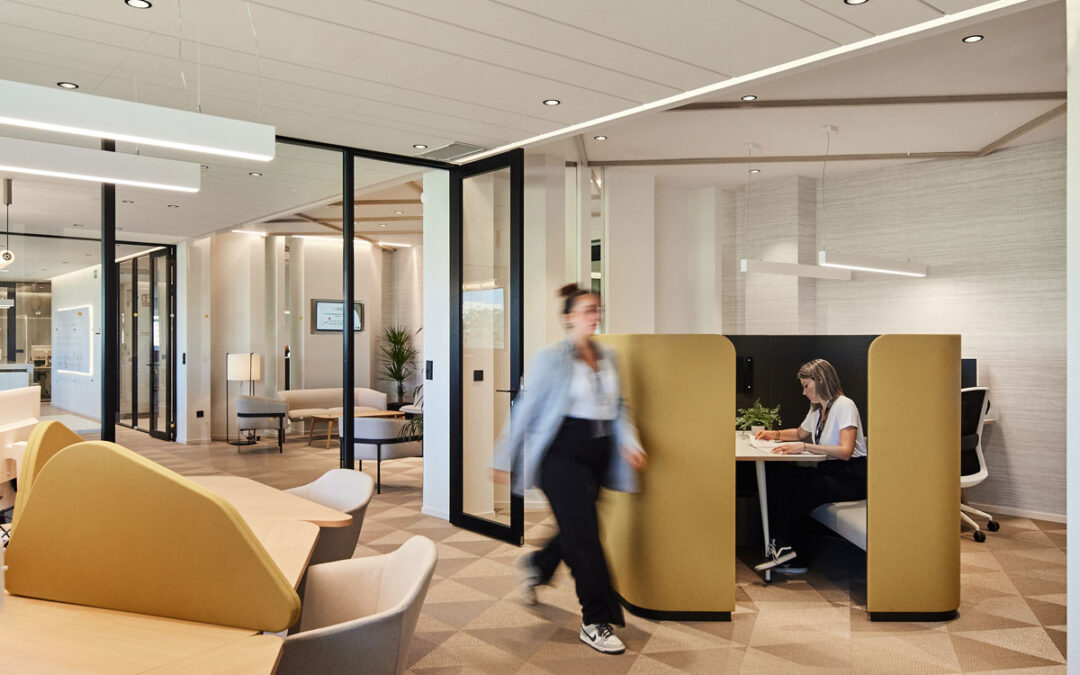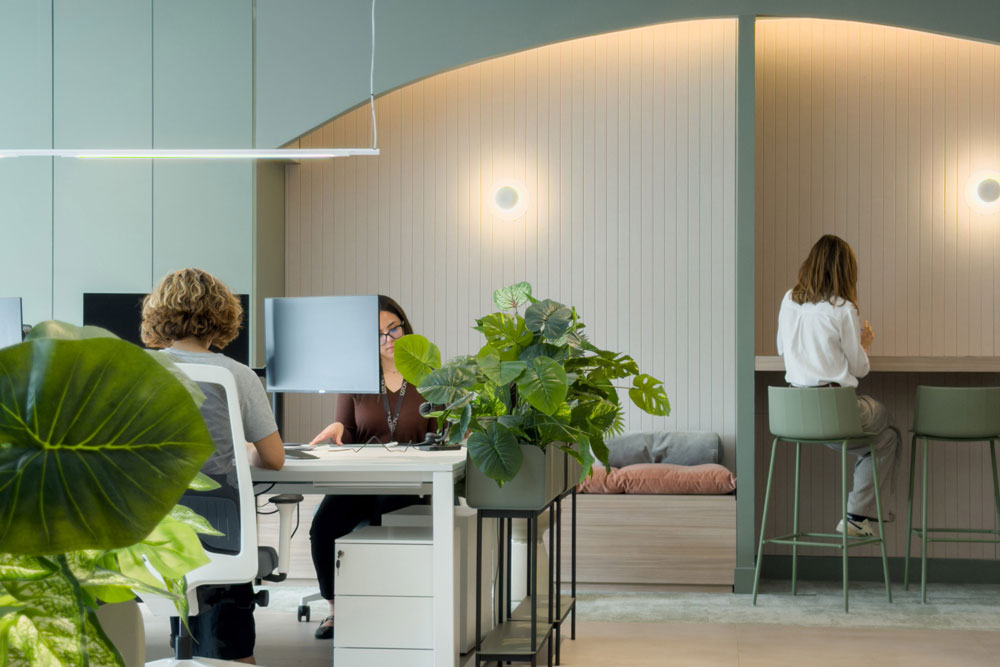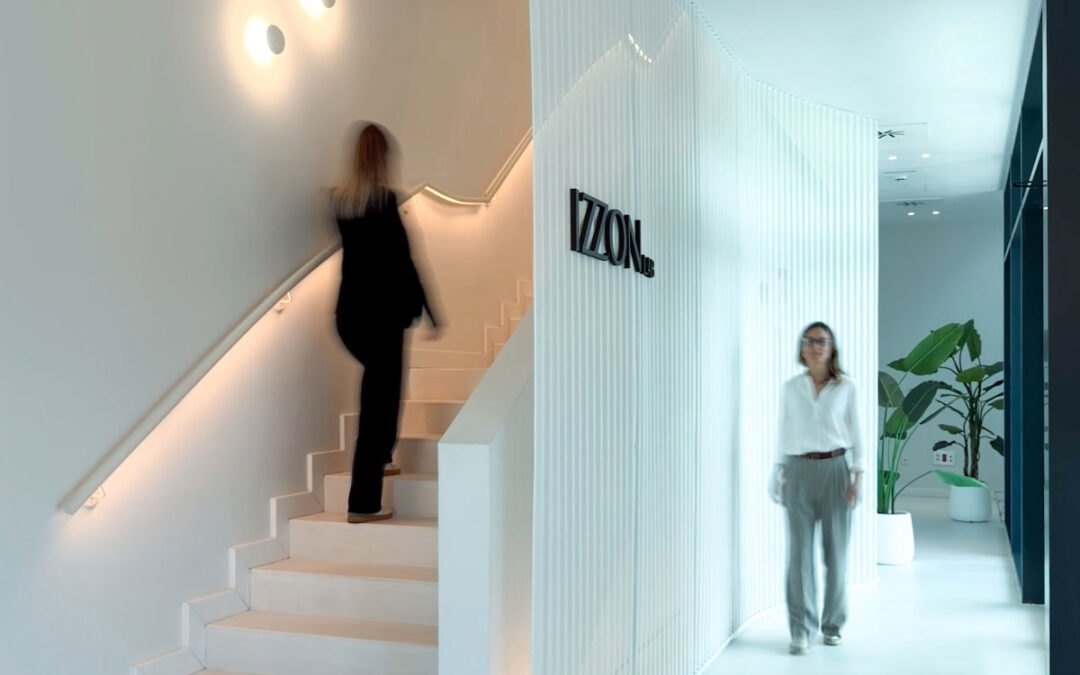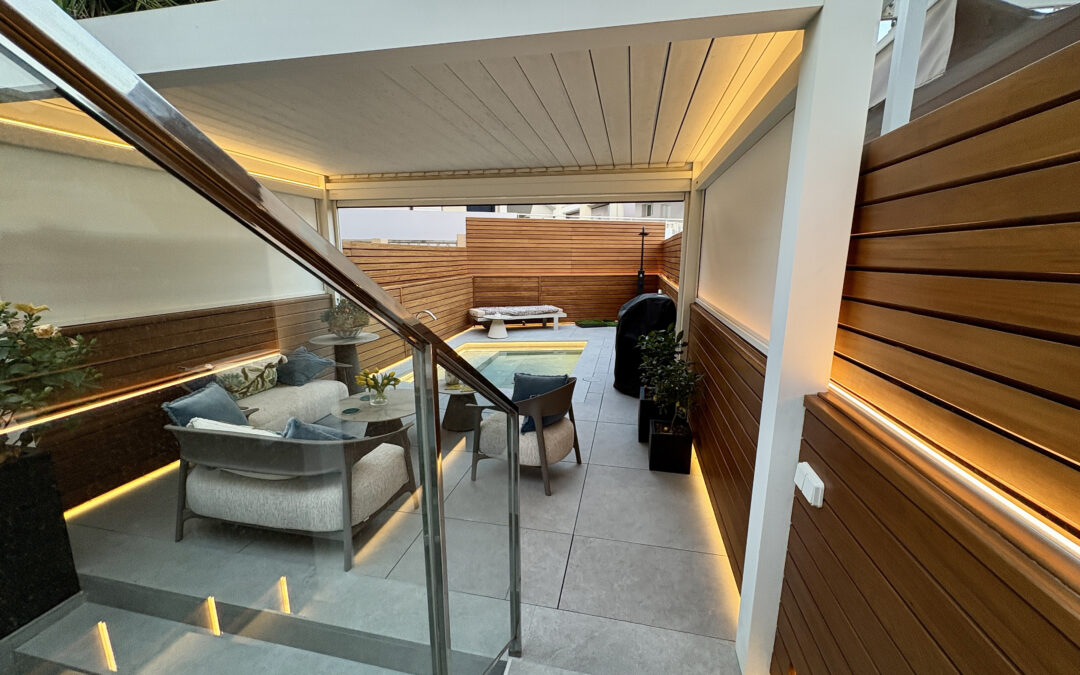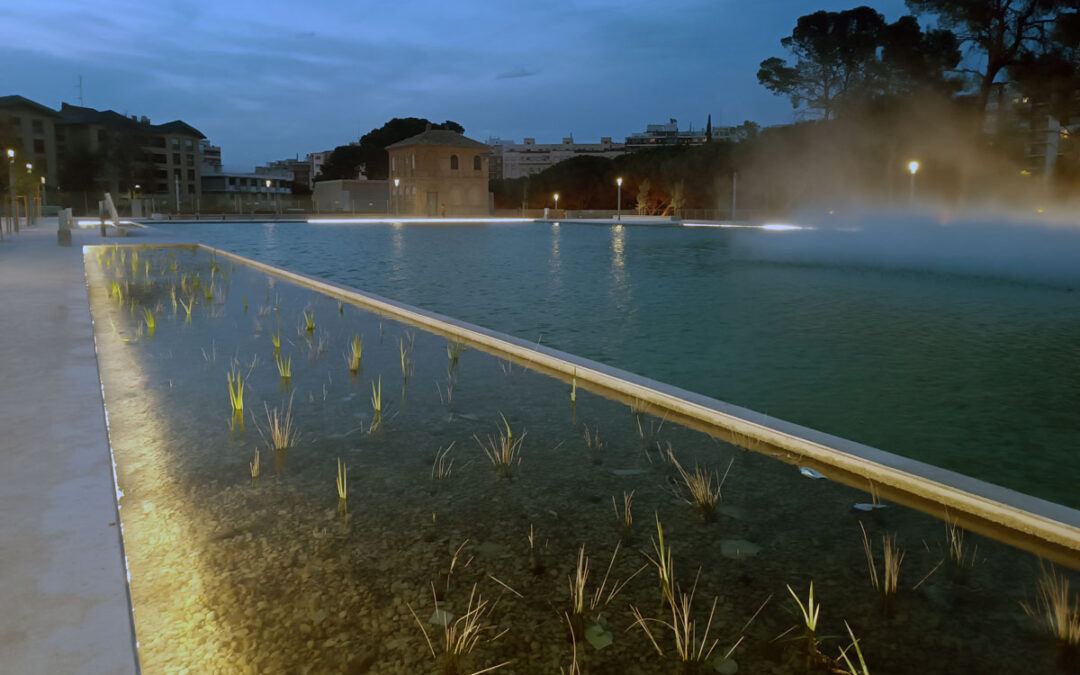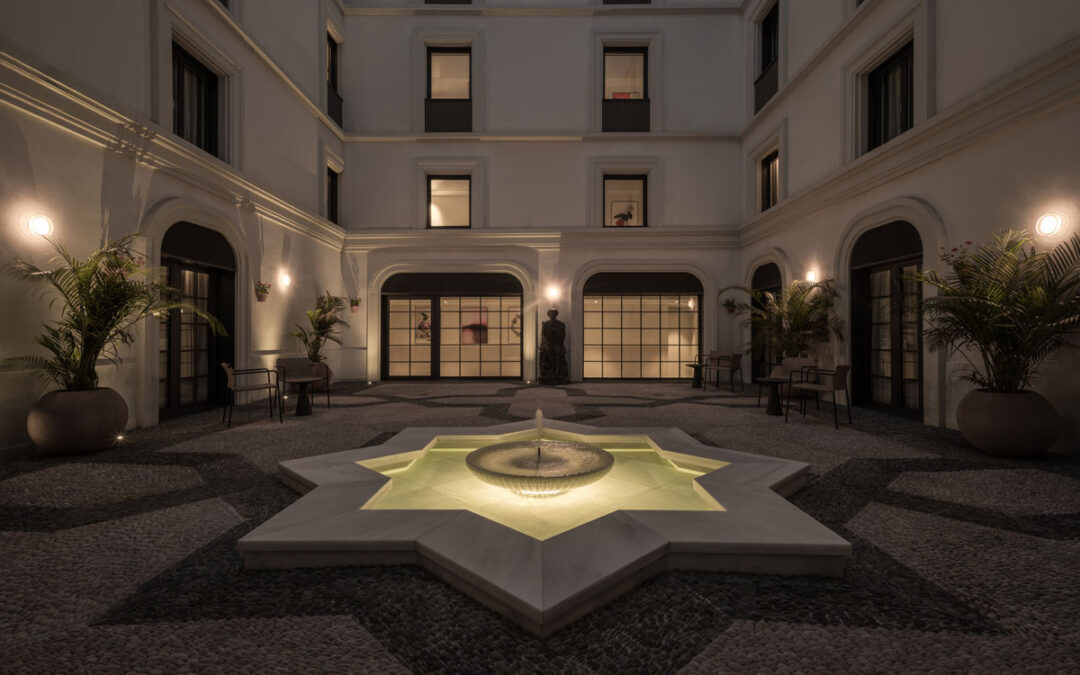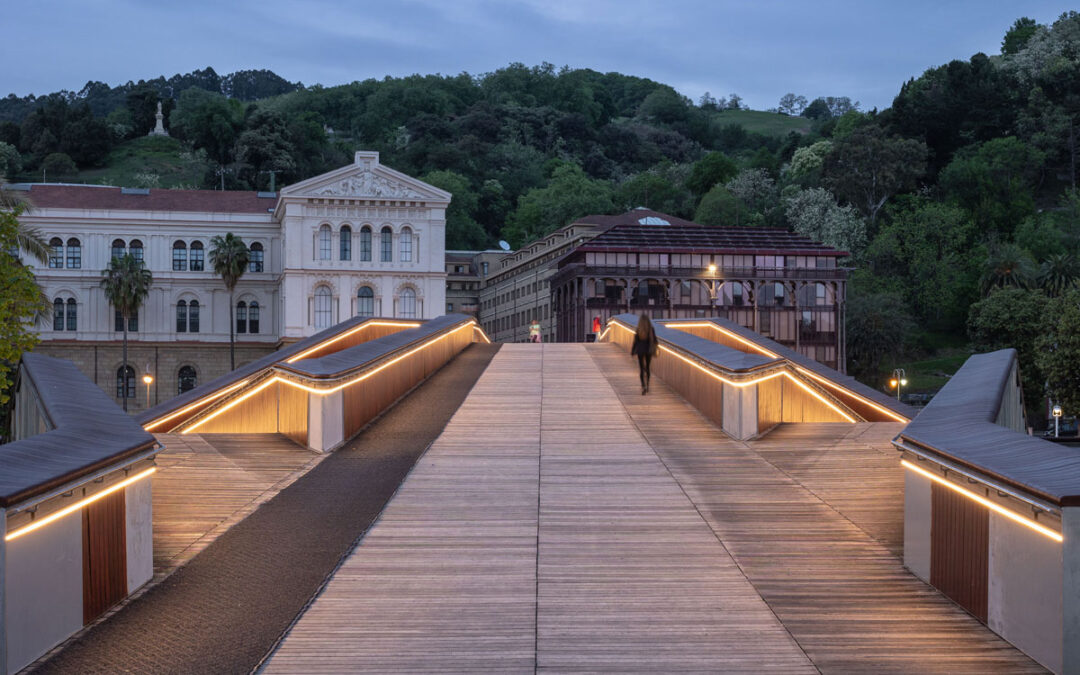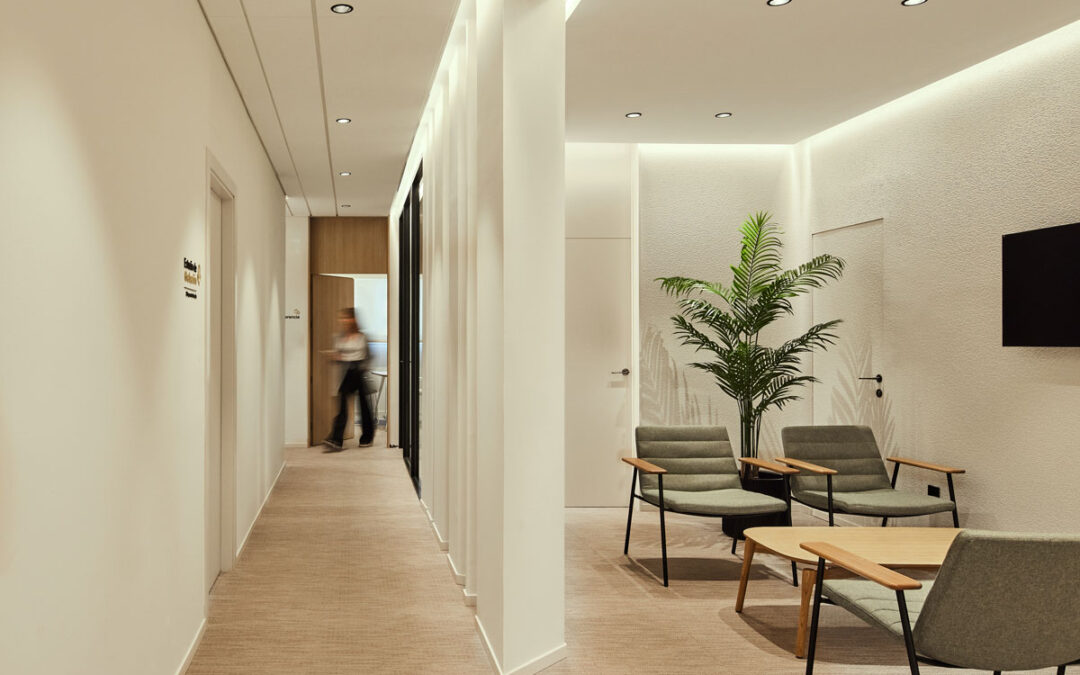



Integrated furniture lighting allows light to become an active part of a project, improving functionality and enhancing the perception of space. Beyond solving a technical need, integrating LED strips into furniture, shelving, or wall coverings introduces precise, continuous lighting capable of complementing the architecture without interfering with its interpretation.
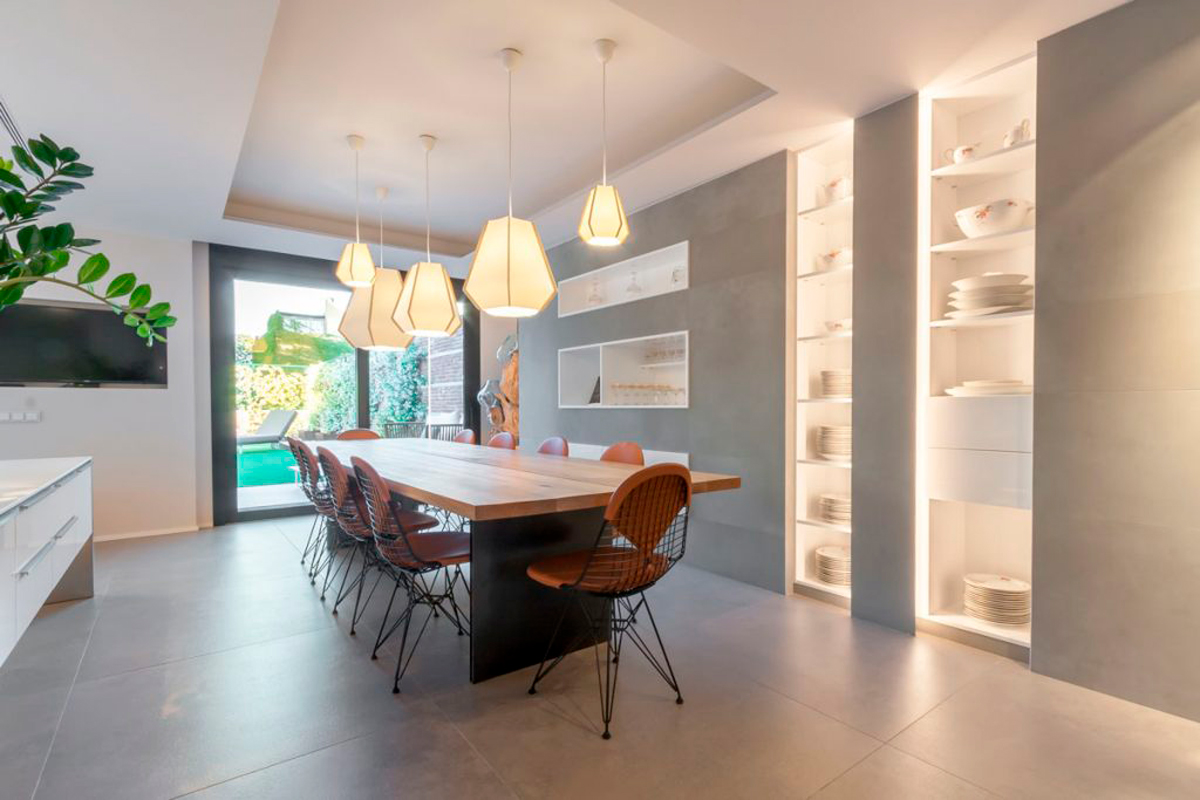
Shelving and Suspended Furniture
The incorporation of linear lighting into shelving or suspended units creates a sense of lightness and depth. Light integrated under shelves or along the sides highlights objects, provides visual support, and reinforces the geometry of the piece without relying on visible fixtures. Using aluminum profiles with opal diffusers helps maintain a homogeneous emission, avoiding light spots and ensuring a clean integration within the furniture. In these types of solutions, integrated lighting contributes to creating more orderly and balanced environments.
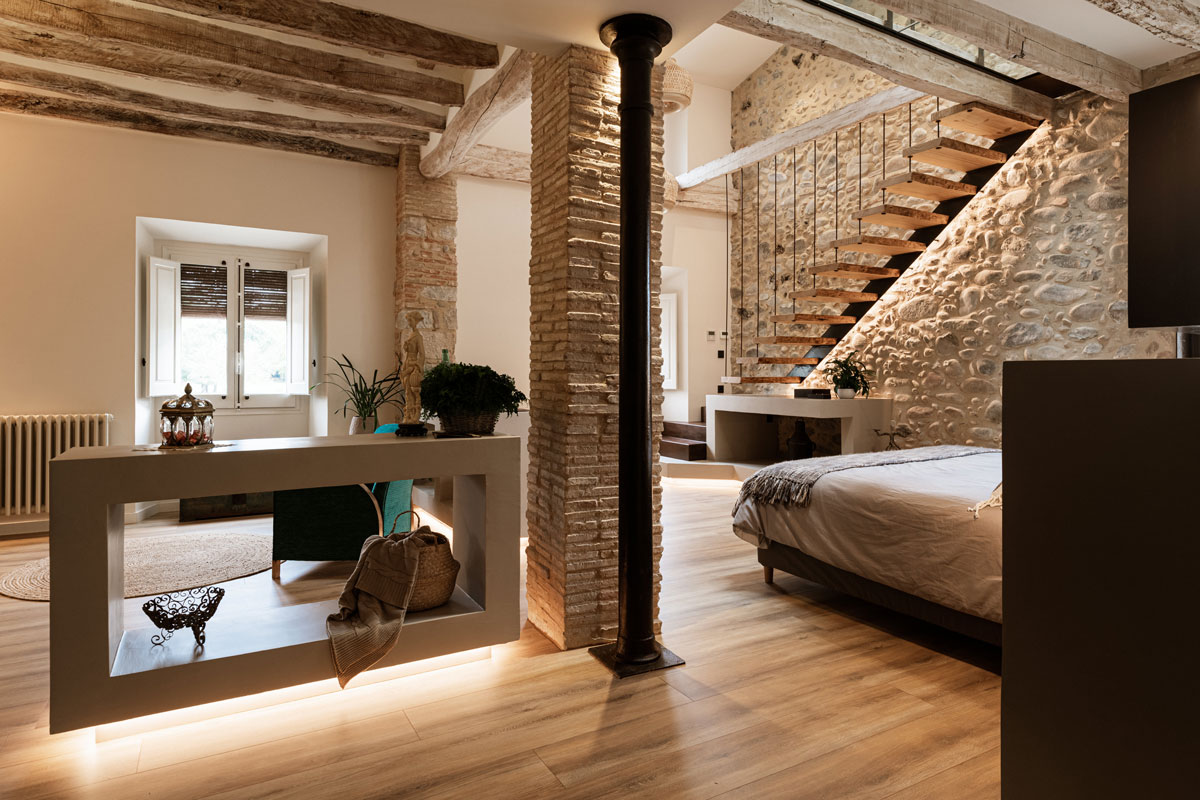
Under-Cabinet Lighting
Light integrated under countertops or base units introduces indirect illumination that improves the perception of volume and facilitates the reading of the space. This solution is particularly useful in kitchens, bathrooms, or transition zones, where light accompanies the path and provides visual comfort. Linear integration allows for continuous and controlled lighting, reducing contrasts and preventing glare. Additionally, the ability to adapt color temperature and intensity makes it easy to adjust the atmosphere according to the intended use.
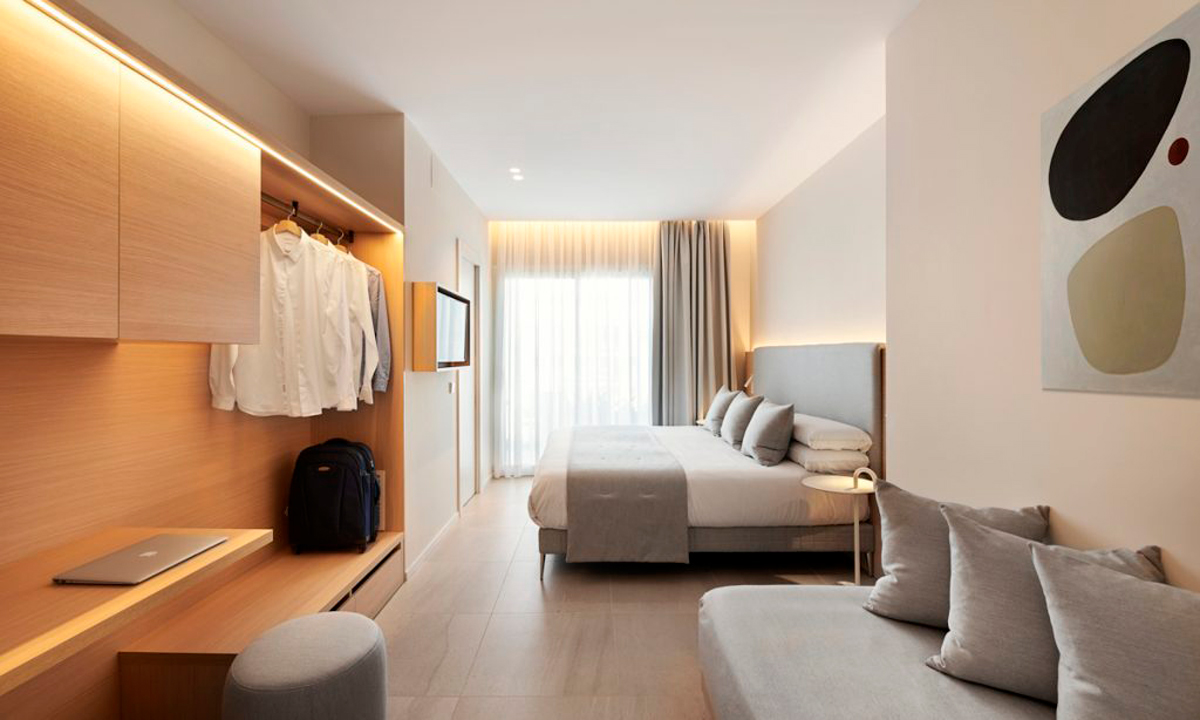
Wardrobe and Dressing Room Interiors
In wardrobes and dressing rooms, lighting must meet both functional and visual criteria. Integrating LED strips into sides, vertical profiles, or trays allows the contents to be illuminated uniformly, making it easier to identify garments and materials without creating uncomfortable shadows. Working with linear solutions that have a high color rendering index (CRI) improves the real perception of colors and provides a more accurate view of the interior. In these cases, integrated furniture lighting becomes a tool that optimizes the daily use of the space.
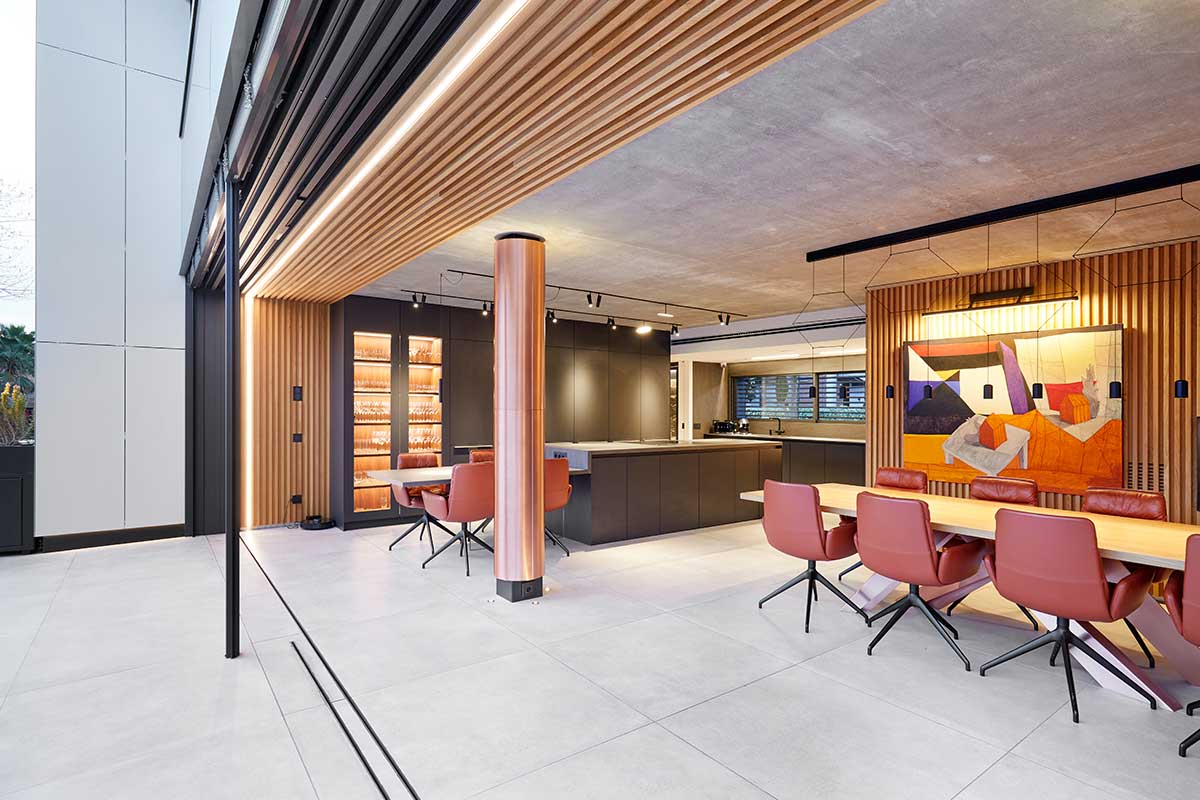
Material Continuity and Construction Details
Integrating light within furniture requires precise coordination between lighting and cabinetry. The profile design, installation depth, and type of diffuser condition the final result and determine the perception of continuity. Lluria’s linear solutions allow lighting to be adapted to different thicknesses, joints, and materials, facilitating a discreet integration where the light appears only through its effect. This approach favors a cleaner and more coherent architecture, where every detail shares the same spatial logic.
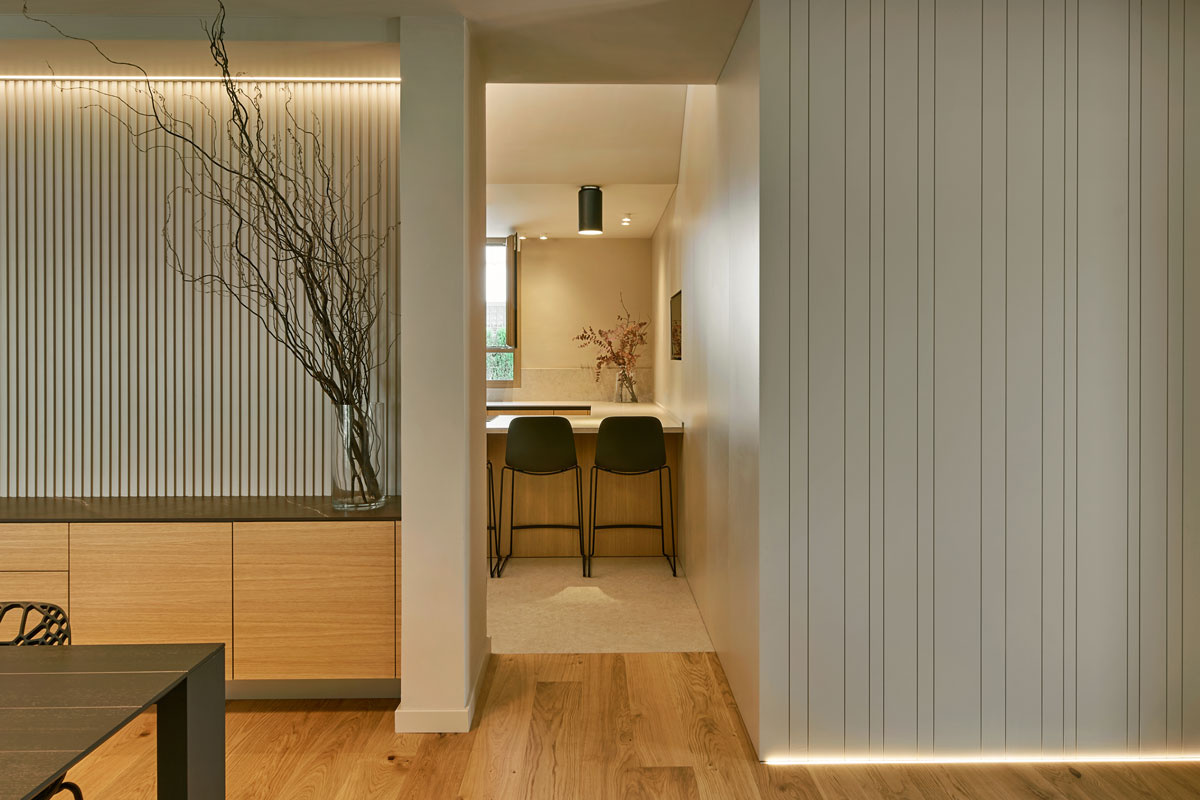
Integrated Light as a Core Project Element
Integrated light is no longer understood as an added element, but as part of the furniture’s construction itself. Its ability to guide paths, highlight textures, and improve functionality makes integrated furniture lighting an essential resource in contemporary projects.
At Lluria, we develop linear solutions that allow light to be integrated with precision, guaranteeing uniformity, visual comfort, and continuity in every application.