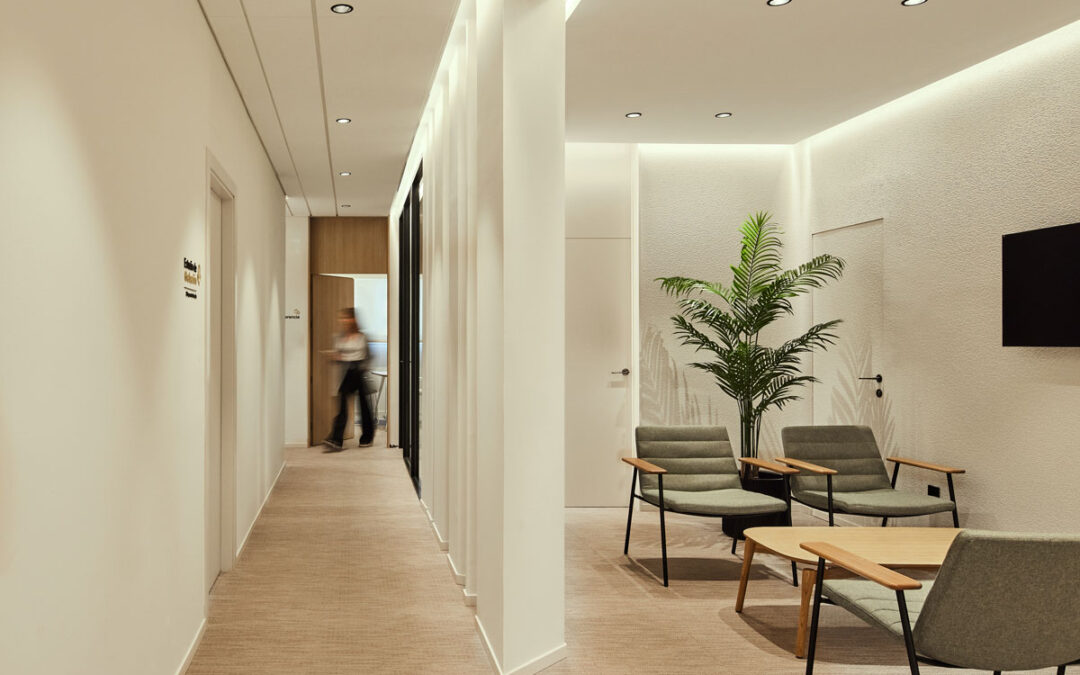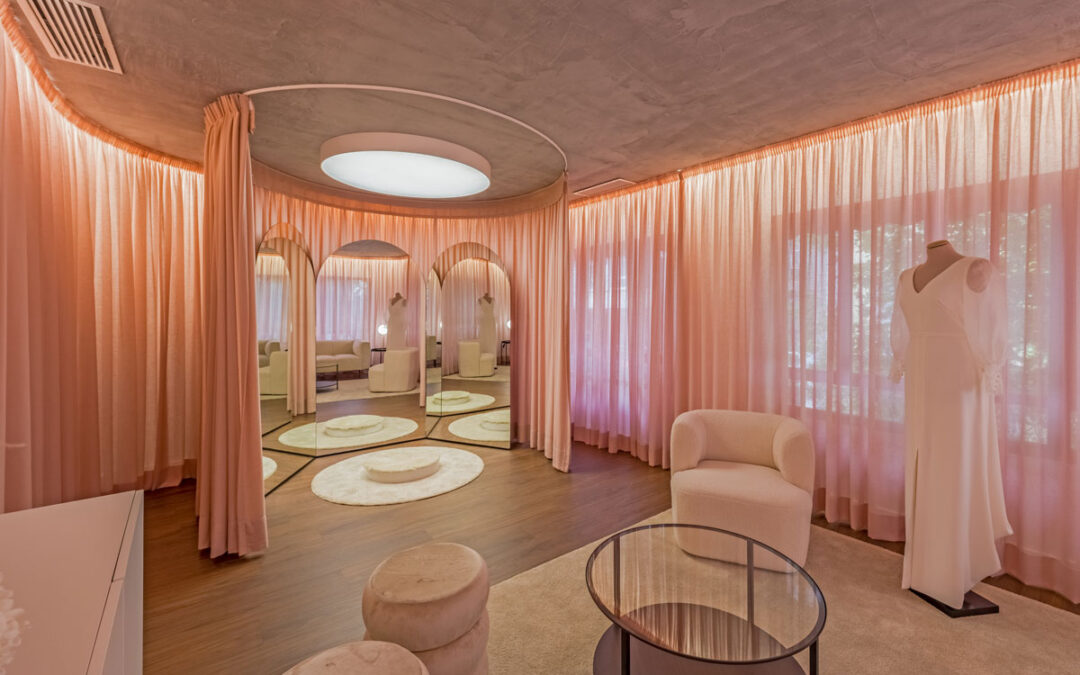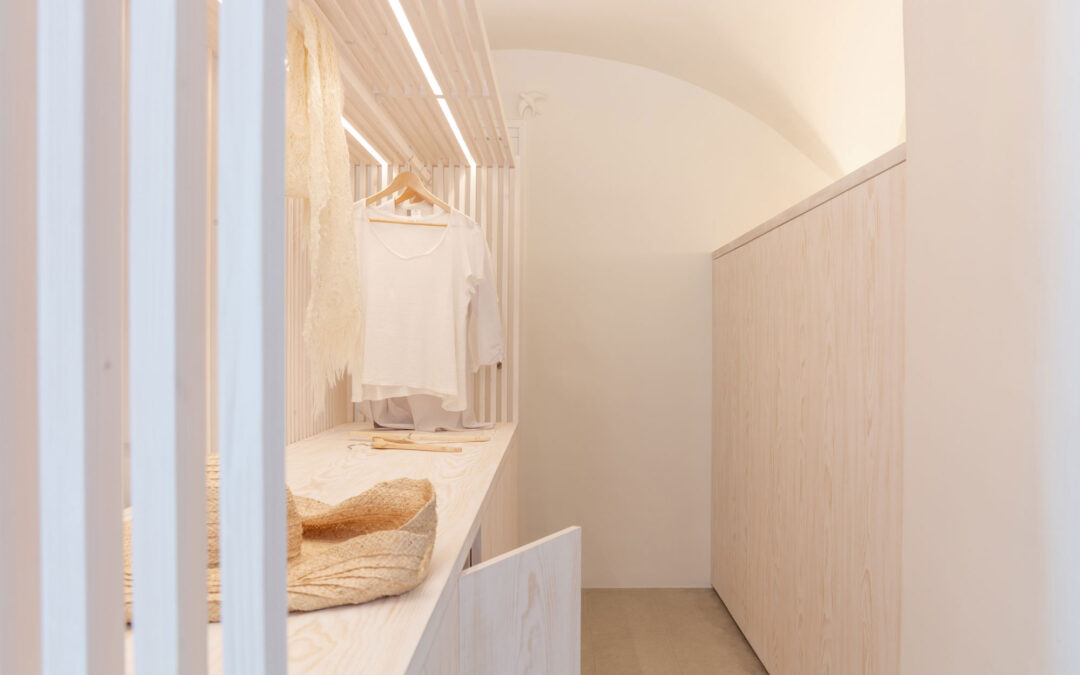



Lighting in restaurant design has evolved into an essential project tool. Far from acting as a merely decorative element, light enables the creation of complex atmospheres through precise technical decisions. In this context, Lluria’s LED strips and profiles provide flexibility, visual hierarchy and perceptual comfort, while reinforcing the dialogue between interior design, texture and the diner’s emotional experience.
Warm tones and visual pathways
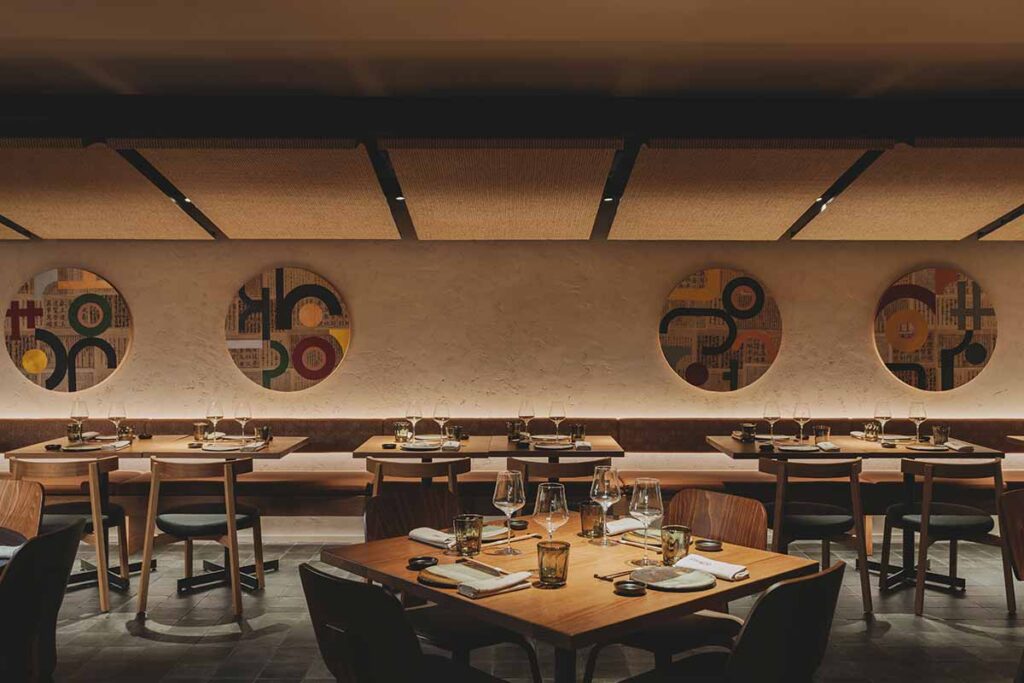
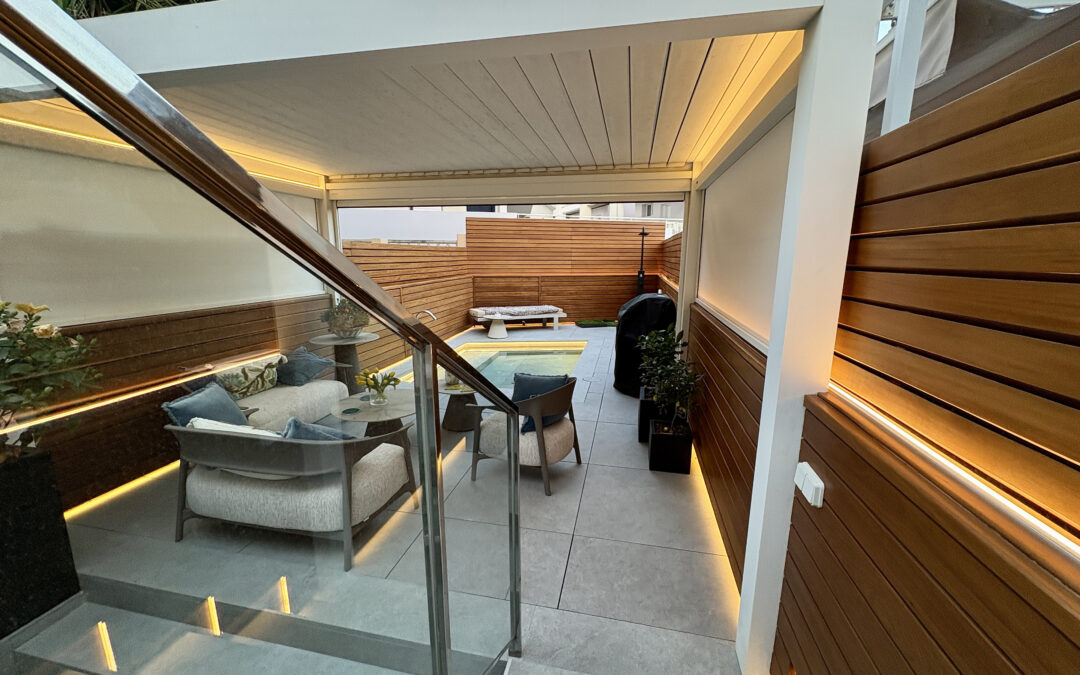
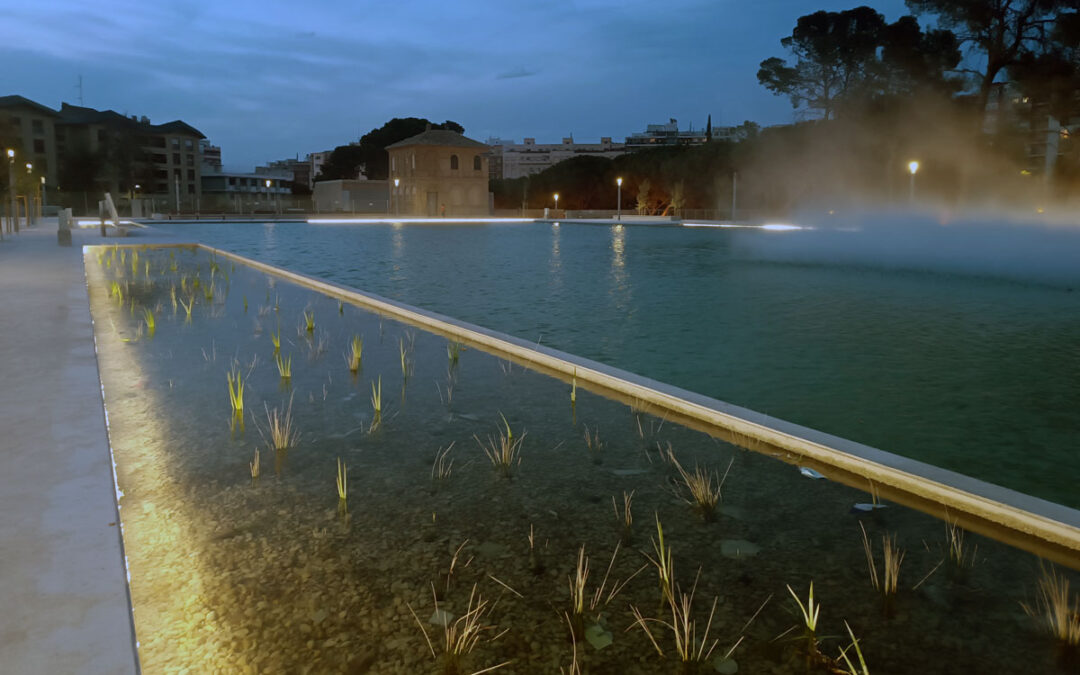
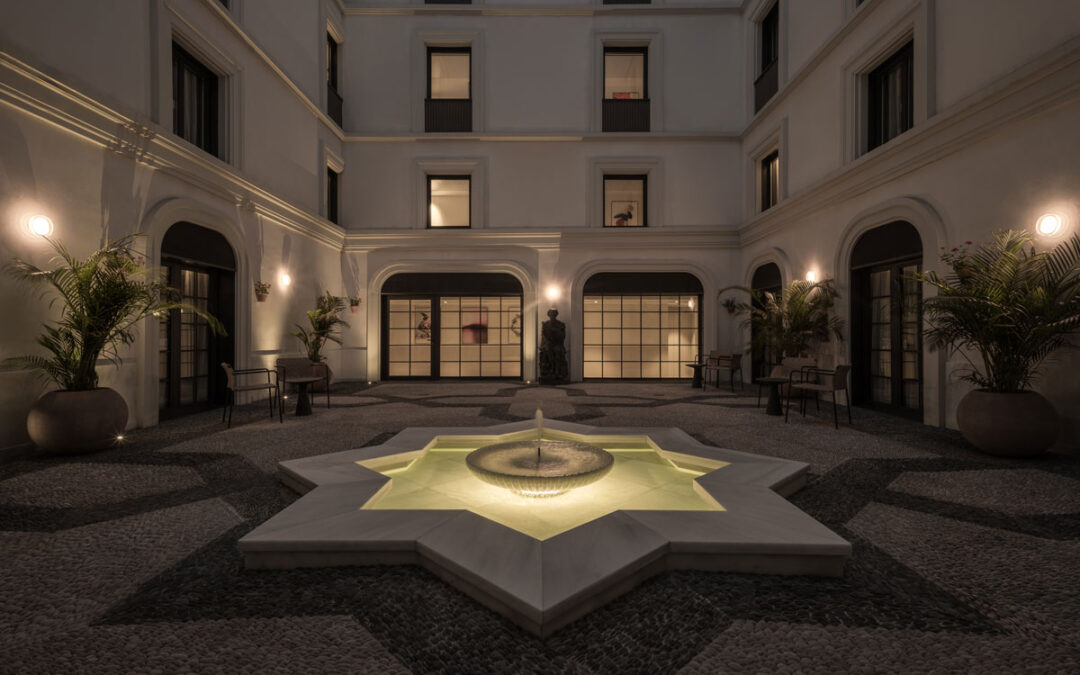
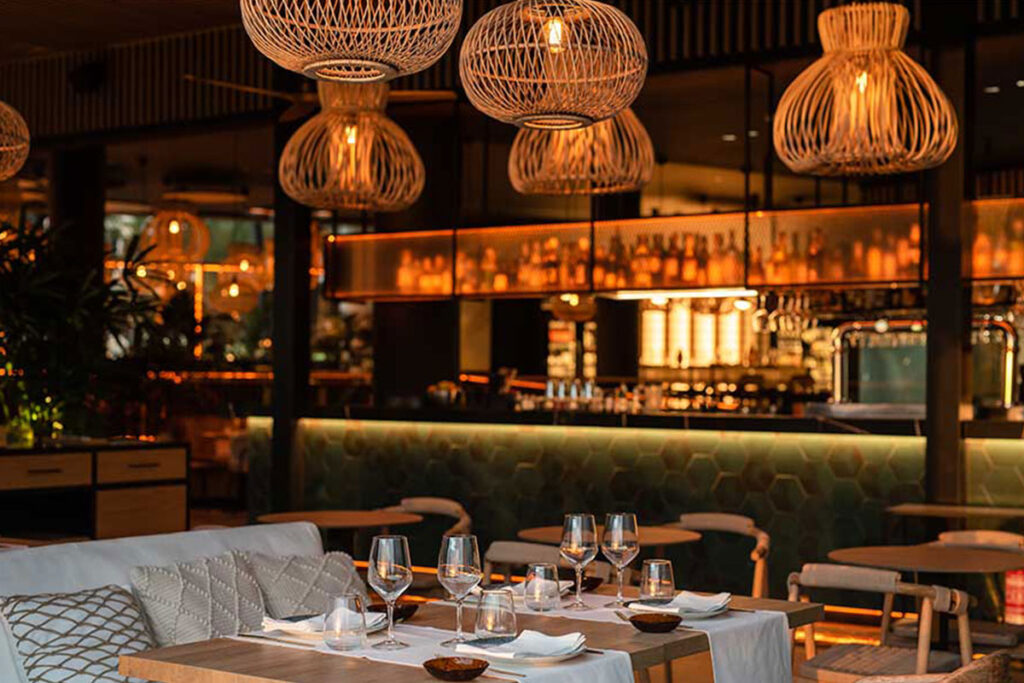
Working with warm colour temperatures – between 2,300K and 3,000K – helps create intimate, serene scenes in harmony with the gastronomic setting. LED strips such as Anser, Moon or the Nature range support the creation of continuous lighting lines and planes that bring both uniformity and depth. In entranceways, openings or transitional areas, grazing and diffuse lighting softens the contrast between interior and exterior spaces, enhancing the theatrical perception of the setting.
Lightness and flexibility
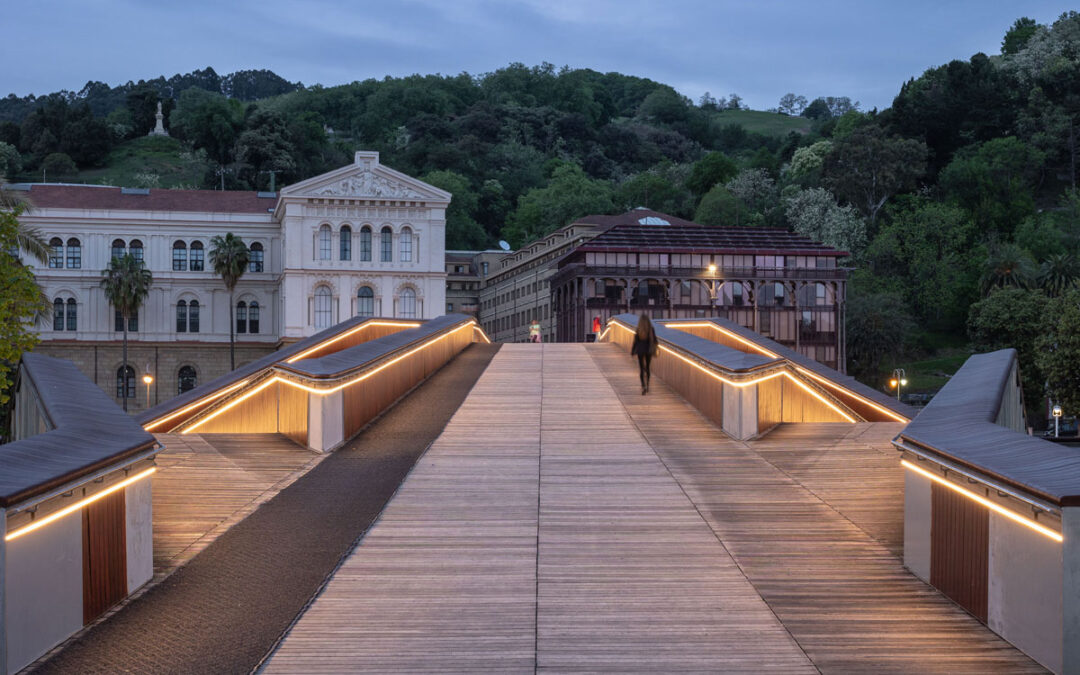
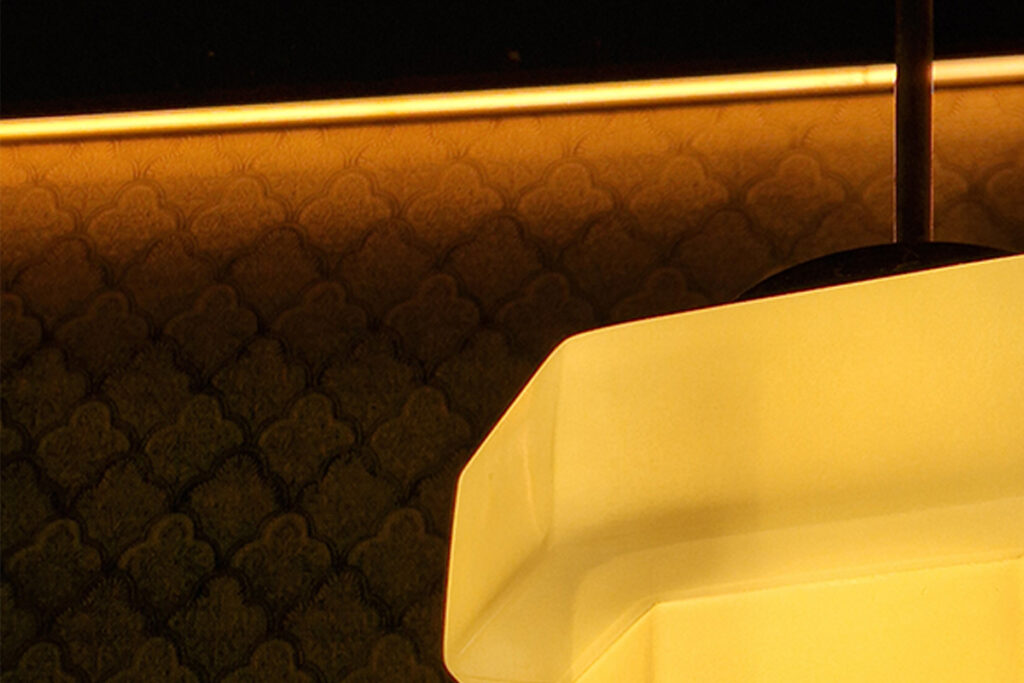
Perimetral lighting using Elara 14.4 LED strips at 2,300 K helps to emphasise contours and define architectural features with a warm, continuous line. This strategy of flexibility and formal adaptability is complemented by solutions such as Vega VE8 for vertical bending; Auriga AU9.6 H, with horizontal bending for organic paths; and Grus GR14 3D, which allows for bending along both axes, opening up new possibilities for three-dimensional surfaces and complex volumes.
Colour and scene-building
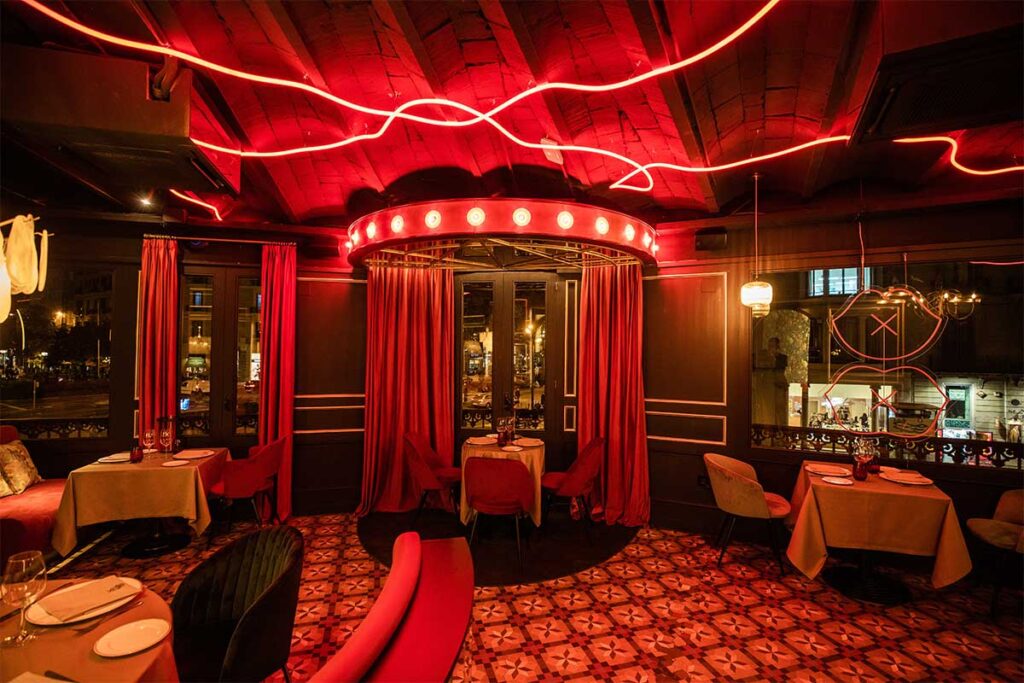
In restaurant spaces with a strong conceptual foundation or a clearly defined sensory narrative, lighting plays an active role in shaping the experience. Models such as the Basic RGB or DIGITAL strips allow for the configuration of monochromatic or dynamic scenes that can be adjusted throughout the day or according to the venue’s activity, creating atmospheres that enhance the space’s physical design.
Precision and colour rendering
The high quality of Lluria’s LED strips – such as the Moon and Nature models, with CRIs above 90 – ensures faithful rendering of materials and finishes, which is essential in projects where lighting and interior design operate as a unified whole. This lighting precision helps to highlight textures, refine contrasts and preserve the design’s aesthetic intent.